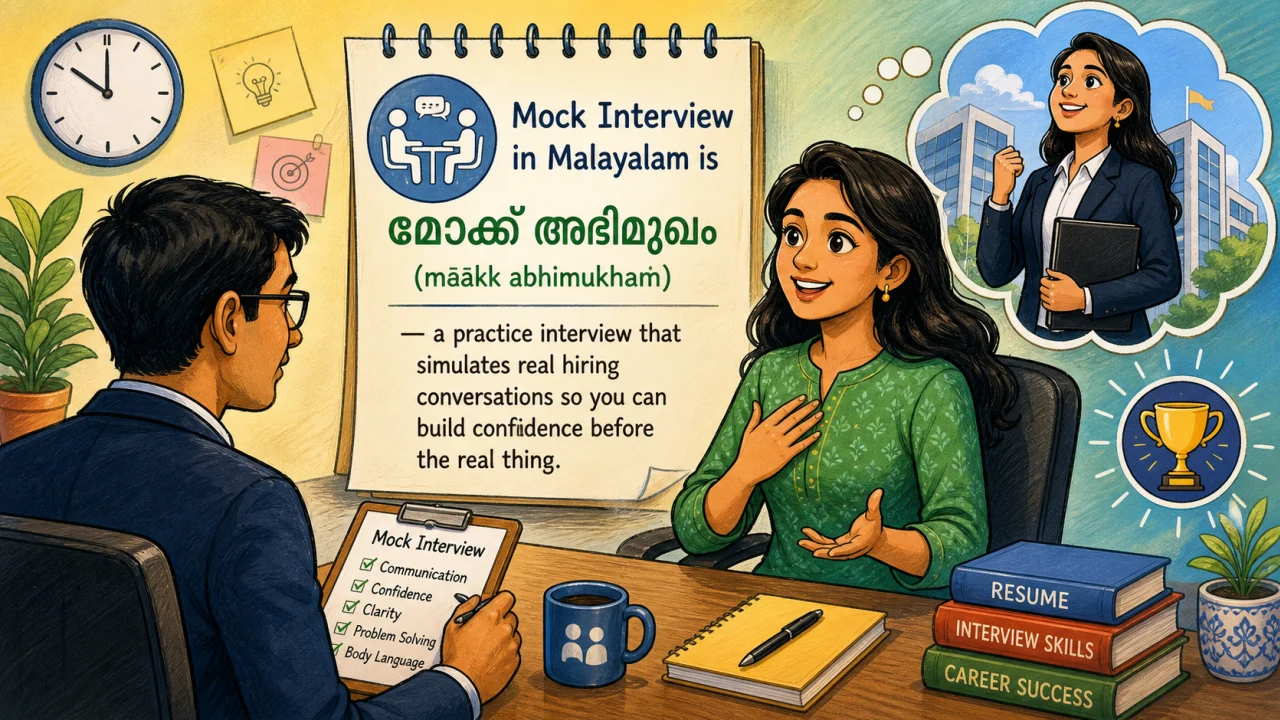
You've got a job interview in 10 days and your stomach already hurts thinking about it. A mock interview is a structured practice session that copies the conditions of a real job interview—same types of questions, same time pressure—so you can make your mistakes now instead of in the room that counts. Think of it as a dress rehearsal where the feedback you get afterward is the whole point.
So, what is a mock interview in practical terms? Someone plays the role of interviewer, asks you questions drawn from the format you'll actually face, and then tells you exactly where you were strong and where you fell apart. The session happens in a lower-stakes setting, which means a fumbled answer teaches you something instead of costing you the offer.
What Is a Mock Interview?
A mock interview is an emulation of a job interview used for training purposes, as described by Wikipedia. The exercise mirrors a real interview as closely as possible: formal greetings, behavioral and technical questions, time limits, and a wrap-up. You can hold one in person, over a video call, or even solo with a recording device.
The goal isn't to memorize perfect answers. It's to spot the gaps you can't see when you're just reviewing notes in your head. Maybe your "Tell me about yourself" runs 4 minutes when it should land around 90 seconds. Maybe you fidget with your pen every time you hit a tough question. A mock interview surfaces those patterns before a hiring manager does.
How It Differs From Interview Coaching
Interview coaching covers the bigger picture—your personal narrative, job-search strategy, how you position yourself across multiple rounds over weeks or months. A mock interview is a single, contained session focused on performance in one specific format. The two are complementary, not interchangeable. Coaching gives you the playbook; a mock interview lets you run the play under pressure.
A candidate who's been coached but never practiced live may know the right answer without being able to deliver it cleanly. Someone who's done 5 mock interviews without coaching might sound polished but still tell the wrong story for the role. You probably need a bit of both, but if you only have time for one, the mock interview gives you faster, more visible improvement.
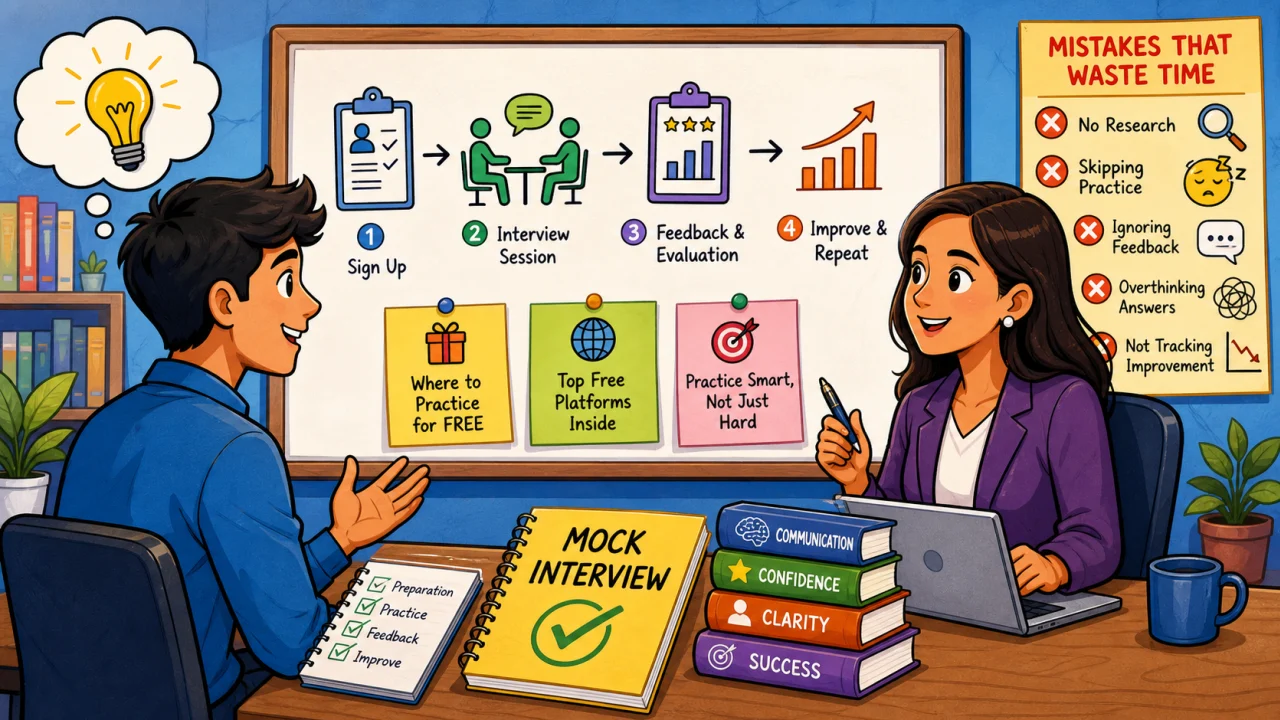
What a Typical Session Looks Like (Step by Step)
- You and your interviewer agree on the format—behavioral, technical, case study, or a mix.
- The interviewer asks 5–8 questions over 20 to 45 minutes, keeping time pressure realistic.
- You answer as if the job were on the line. No pausing to ask, "Was that okay?"
- After the last question, the interviewer shares structured feedback: what worked, what didn't, and what to change.
That's it. No magic. The value lives entirely in step 4.

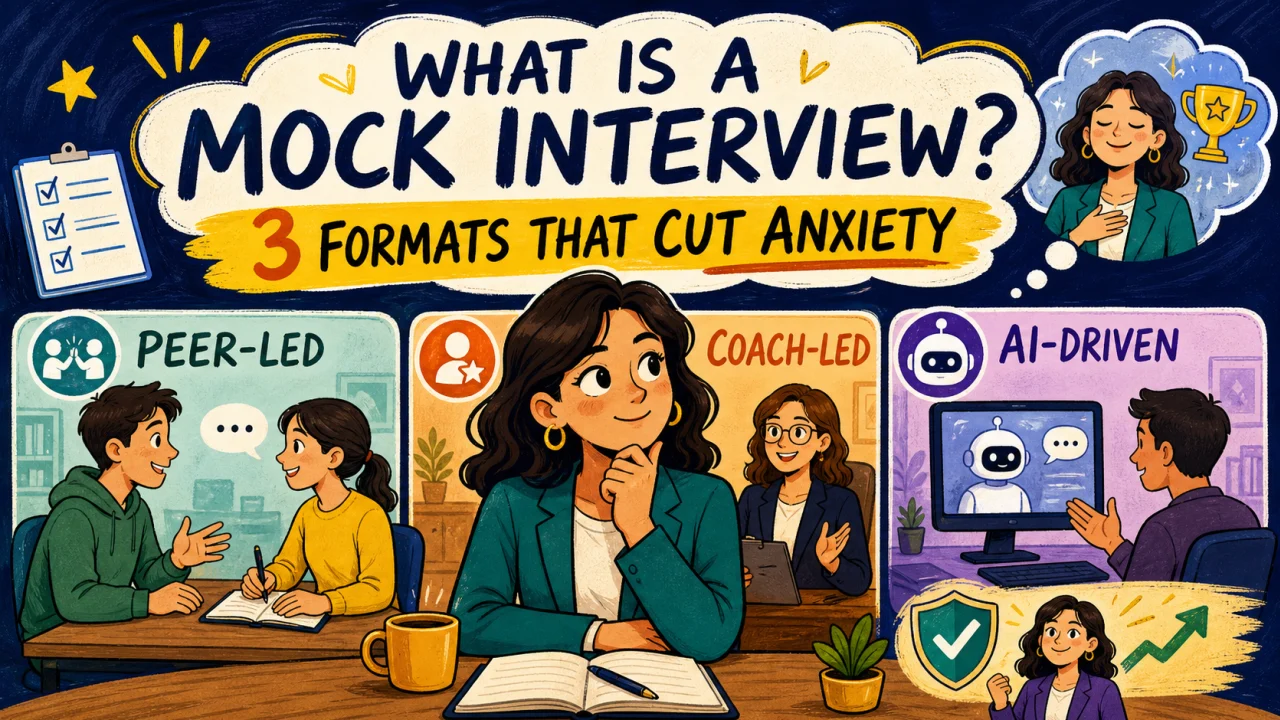
3 Mock Interview Formats and How Each One Helps
Not all practice sessions work the same way. The format you pick shapes the kind of feedback you'll get, so it's worth choosing on purpose rather than defaulting to whatever's easiest.
Peer-Led: Practicing With a Friend or Classmate
Grab a friend who's also job-hunting—or anyone willing to sit across from you and ask questions with a straight face. Peer-led mock interviews cost nothing, and you can schedule them whenever you want. The trade-off? Your friend probably won't know what a hiring manager at a specific company actually looks for, and they might soften their feedback to avoid hurting your feelings.
This format works best for early-stage practice when you just need reps. If you've never said your answers out loud before, a peer session gets you past that first wave of awkwardness fast.
Coach-Led: Working With a Career Professional
Career coaches and university career counselors bring experience watching hundreds of candidates make the same mistakes. They know which answers sound generic, which stories lack structure, and how to push you past comfortable responses. Sessions with a private coach can run anywhere from $50 to $200+ per hour, though many college career centers offer them free.
Choose this format when you're preparing for a high-stakes interview—think final-round panel interviews or roles where the competition is stiff. The feedback tends to be sharper and tied to industry-specific expectations.
AI-Driven: Using Software to Simulate the Pressure
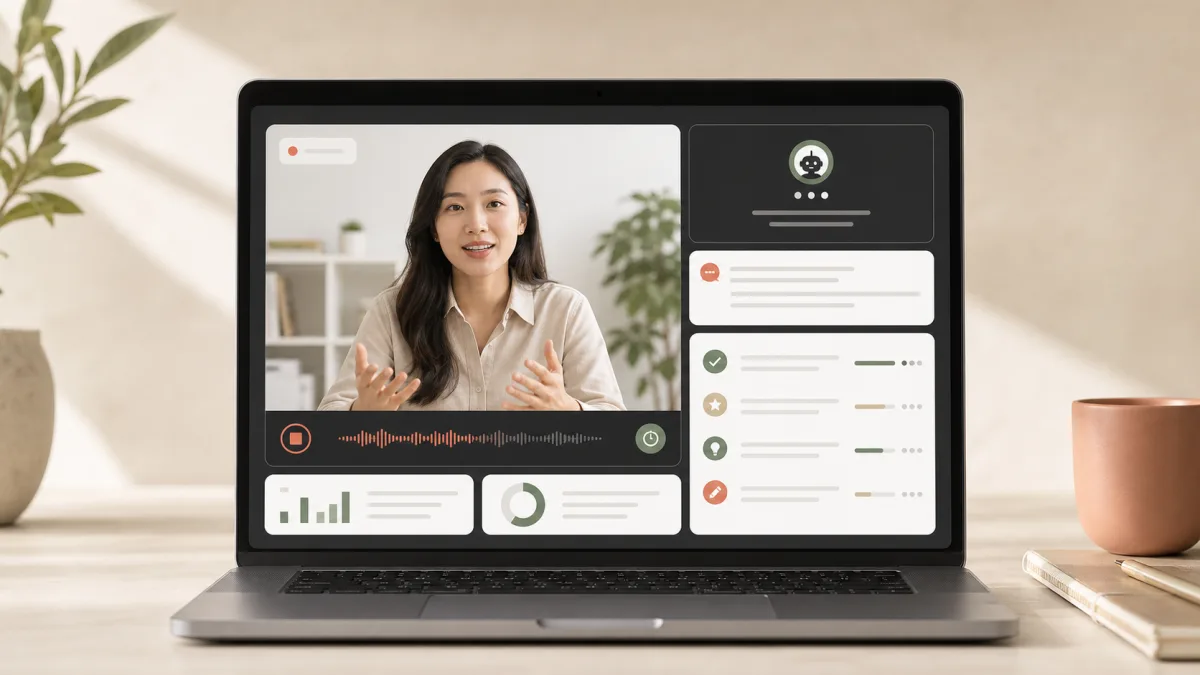
AI mock interview tools ask you questions, record your responses, and analyze things like answer length, filler-word count, and pacing. You can run a session at 2 a.m. in your pajamas, which is a real advantage if your schedule is packed.
The downside: AI can't yet read the room the way a human can. It won't catch that your answer about teamwork felt rehearsed or that your energy dropped halfway through. Use AI sessions to build volume and spot surface-level habits, then pair them with at least one human-led session for the nuance.
How to Pick the Right Format for Your Situation
Decision Criteria: Time, Budget, and Interview Type
Here's a quick way to think about it. If you have less than a week and zero budget, do a peer session tomorrow. If you're prepping for a specific company's behavioral loop and can invest a little, book one coach-led session and supplement with AI reps on your own time. If you're a college senior doing on-campus recruiting, check whether your career center schedules mock interviews—most do, and they're free.
The interview type matters too. A 30-minute phone screen needs different practice than a 4-hour on-site with a case study. Match your mock format to the actual structure you'll face.
Why Honest Feedback Matters More Than Extra Reps
Here's the contrarian take most advice articles skip: doing more mock interviews doesn't automatically help. Five practice sessions with soft, vague feedback can leave you worse off than one session with someone who tells you the truth.
The Hidden Danger of Inflated Practice Feedback
When your practice partner says "That was great!" after every answer, you walk into the real interview with a distorted picture of how ready you are. Candidates who receive inflated feedback enter the actual interview overconfident, which is more damaging than skipping practice entirely. You don't rehearse to feel good about yourself. You rehearse to find the weak spots while they're still fixable.
If the person across from you can't name at least 2 specific things you should change, the feedback isn't structured enough to help.
What Structured Feedback Actually Looks Like
Structured feedback ties observations to specific moments and gives you something concrete to act on. "You seemed nervous" is an observation—useless on its own. "Your answer to the conflict question ran 3 minutes and repeated the same point twice" is feedback you can fix before the next session.
After every mock interview, ask your interviewer 3 questions: What was my weakest answer? Where did I lose your attention? What's the single biggest thing I should change? Write down the answers. That's your prep list for round two.
How to Prepare for a Mock Interview in 20 Minutes
Pick Your Questions Based on the Real Job Posting
Pull the job description and highlight 3–5 key qualifications. Then find 1–2 common interview questions that map to each one. If the posting emphasizes cross-functional collaboration, prep a story about working across teams. Don't practice random questions—practice the ones you're most likely to hear.
Set Up the Room (or Call) to Feel Like the Real Thing
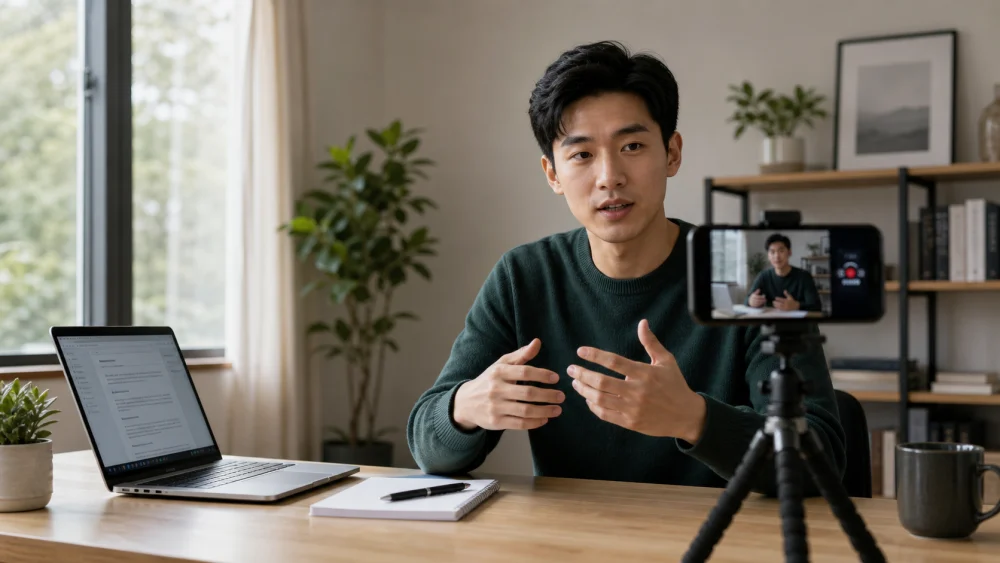
Dress the way you would for the actual interview. Sit at a table, not on your couch. If it's a video call, use the same platform and test your camera angle beforehand. The closer your practice environment matches the real one, the less jarring the transition will feel.
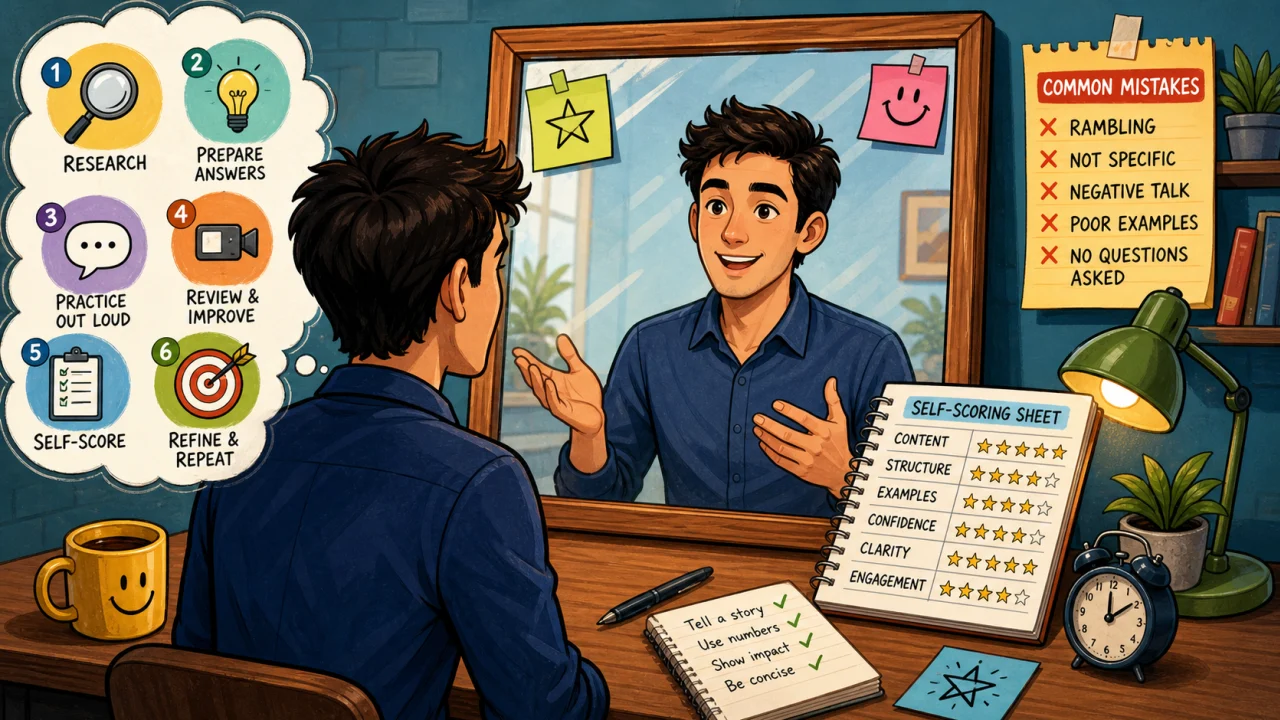
Record Yourself and Time Your Answers
Hit record on your phone. Most people have no idea what they look or sound like when they're answering under pressure. Watch it back once—you'll notice filler words, wandering eye contact, or answers that drag past the 2-minute mark. One playback session teaches you more than 3 unrecorded mock interviews.
Common Mock Interview Mistakes That Waste Your Time
Treating the session casually is the biggest one. If you pause mid-answer to check your notes or break character to chat, you're not simulating real pressure—you're just having a conversation. Other common mistakes: practicing only your strongest answers instead of your weakest ones, ignoring body language entirely, and never asking for feedback because it feels awkward.
Also, don't skip the questions you dread. The "Tell me about a time you failed" question feels terrible to practice, which is exactly why you need to practice it.
Mock Interviews for College Students: What Campus Career Centers Offer
Most U.S. universities run mock interview programs through their career services office. These sessions are typically free, led by trained counselors, and scheduled during the fall and spring recruiting seasons. Some schools partner with alumni volunteers who conduct industry-specific practice interviews over video calls.
If you're a student, book a session early in the semester—slots fill up fast near career fair season. And don't limit yourself to one round. Career centers usually let you book multiple sessions, which means you can practice, get feedback, adjust, and practice again before your real interview hits.
FAQ
How do you introduce yourself in a mock interview?
Treat it the same way you'd start a real interview. Stand up, offer a firm handshake (or a clear, friendly greeting on video), state your name, and give a 30-second summary of who you are and why you're interested in the role. Keep it tight—this isn't a monologue.
How long does a mock interview usually last?
Most mock interviews run 20 to 45 minutes for the question-and-answer portion, plus 10 to 15 minutes for feedback afterward. The total session usually wraps up within an hour.
What is the difference between a mock interview and a real job interview?
The stakes. A mock interview uses the same format, question types, and time pressure as a real one, but mistakes in a mock session are learning opportunities instead of deal-breakers. You also get immediate, direct feedback in a mock interview, which rarely happens after a real one.
Can you do a mock interview by yourself?
Yes. Record yourself on your phone or laptop, set a timer, and answer questions out loud as if someone were watching. You won't get external feedback, but reviewing the recording reveals habits you'd never catch otherwise—filler words, rushed pacing, or answers that wander without landing on a clear point.