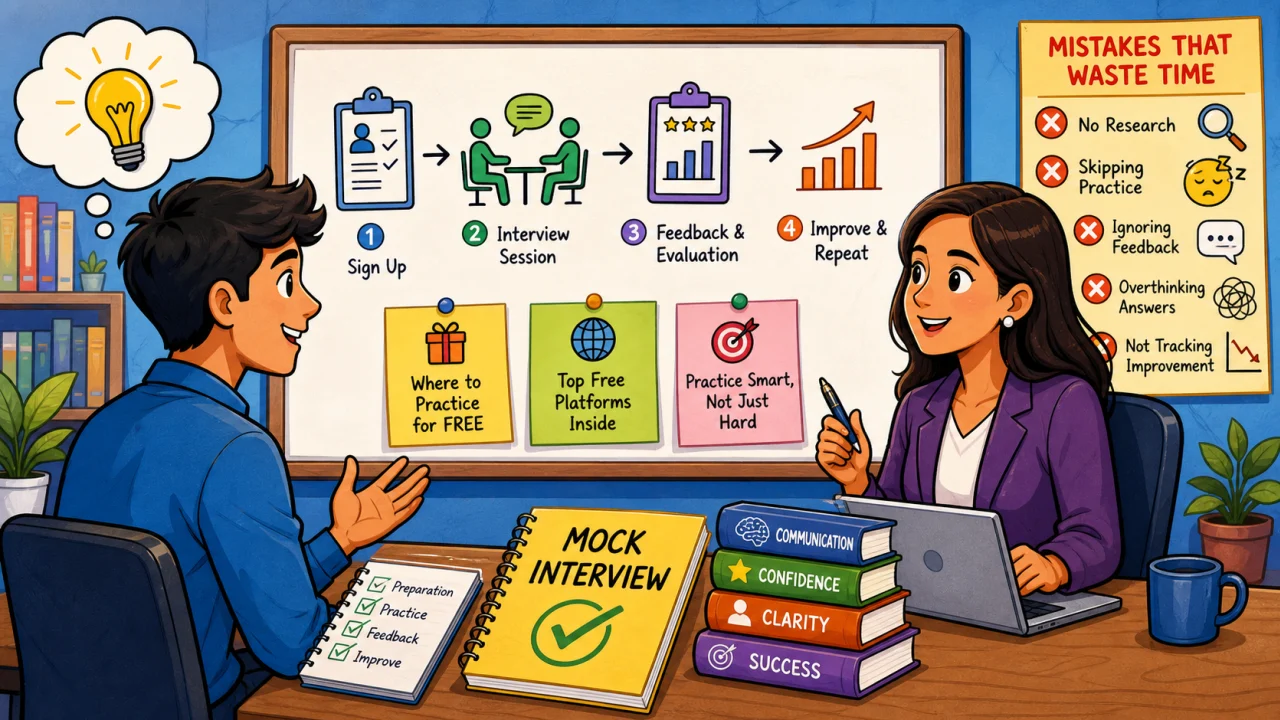
Key Takeaways
A mock interview is a crucial, low-stakes simulation of a real job interview, providing a safe space to practice and refine your skills.
Imagine practicing for a big game, but without anyone watching and without any real pressure! That's what a mock interview session is like. It's your personal playground to try out your answers, test your confidence, and get comfortable with the whole interview dance, all before the real show. Think of it as a dress rehearsal for your career breakthrough.
It helps identify blind spots in your communication, answers, and non-verbal cues that you might not be aware of.
Sometimes, we don't know what we don't know, right? You might think your answer sounds perfect, but a mock interview session can reveal little habits like fidgeting, talking too fast, or not making eye contact. These are your 'blind spots' – things you do without realizing, but which an interviewer will notice. Spotting them early gives you a chance to fix them.
Strategic mock interviews build confidence, reduce anxiety, and improve your ability to articulate your value proposition effectively.
Practice makes perfect, and more importantly, it makes you feel perfect! The more you run through a mock interview session, the less scary the real thing becomes. You’ll learn how to talk about your awesome skills and experiences in a way that truly shines, making you feel ready and super confident to tackle any question that comes your way.
Objective feedback from a neutral party (or professional) is invaluable for targeted improvement.
Your best friend might say, "You were great!" but a professional mock interviewer will give you real, honest tips like, "Maybe try to smile more," or "That answer could be stronger if you added a specific example." This kind of clear, helpful advice is like a roadmap showing you exactly where to get better. It’s what transforms good into great!
Skipping this vital preparation step can leave you unprepared for the nuances of today's competitive job market.
Today's job market in the United States is like a super-race, and everyone wants to win the golden ticket (your dream job!). If you skip practicing, you might miss out on understanding the tricky questions or the secret handshake of what employers are really looking for. A mock interview session is your unfair advantage, ensuring you don't just participate, but truly stand out.
Introduction: Navigating the High-Stakes World of Job Interviews
The Pressure Cooker: Why Job Interviews Can Be Daunting
Alright, let's be real. Job interviews can feel like staring down a dragon, right? Your heart pounds, your palms get sweaty, and suddenly all those brilliant things you know about yourself seem to vanish from your brain. It's a high-stakes moment, often the one single chance you get to convince someone that you're the one for that amazing job you've been dreaming about. The pressure is immense, and it's totally normal to feel a bit overwhelmed by it all.
The Hidden Power of Preparation: Beyond Just Knowing Your Resume
Now, you've probably spent ages perfecting your resume, making sure every bullet point shines. You know your skills, you know your experience. But here's a little secret: just knowing your resume isn't enough. The interview isn't just about listing facts; it's about storytelling, showing personality, and proving you can think on your feet. It's about how you present all of that, and that's where true preparation goes way beyond simply memorizing your past.
Your Secret Weapon: The Strategic Mock Interview
So, how do you conquer that dragon? With a secret weapon, of course! And that weapon is the strategic mock interview session. It's not just a chat; it's a powerful tool designed to sharpen every edge of your interview performance. Think of it as your superhero training montage, getting you ready to leap over tall questions and confidently face any challenge the real interview throws your way. It's the step that turns interview anxiety into interview advantage.
The Modern Interview Landscape: Why Preparation is Non-Negotiable
Beyond Skills: The Importance of Fit, Poise, and Presence
Gone are the days when simply rattling off your technical skills was enough. Today, employers in the U.S. want to see the whole package. They're looking for someone who not only can do the job but also fits with the team, brings positive energy, and can handle themselves with grace and confidence. Your poise – how calm and collected you appear – and your presence – the impact you make when you walk into a room (or onto a screen!) – are huge deal-breakers. A mock interview session helps you practice showing up as your best, most well-rounded self.
The Rise of Behavioral and Situational Questions
Ever been asked, "Tell me about a time you failed" or "How would you handle a difficult client?" These are behavioral and situational questions, and they're everywhere now! They're designed to peek into your past behavior to predict your future performance. Simply knowing what to say isn't enough; you need to tell compelling stories that show off your problem-solving skills, resilience, and teamwork. Practicing these types of questions during a mock interview session is absolutely critical to nail them perfectly.
Mastering the Virtual Interview: New Challenges, New Rules
In our modern world, many interviews happen through a screen. This brings a whole new set of challenges! Are you looking at the camera? Is your lighting good? Is your background clutter-free? Do you know how to use the sharing features? Virtual interviews require different etiquette and tech savviness. A mock interview session that simulates a virtual setting can help you iron out all these details, making sure your tech setup enhances, rather than detracts from, your amazing candidacy.
What Constitutes a 'Strategic' Mock Interview?
It's Not Just Practice: It's Performance Training
Think about athletes or actors. They don't just "practice"; they train for peak performance. A strategic mock interview session is exactly that for your job search. It's not just a casual run-through; it's a focused, deliberate effort to hone your skills, just like a pro athlete drilling their moves before a big game. You're training your mind, your voice, and your body language to perform under pressure.
Key Components: Realistic Scenarios, Targeted Feedback, and Skill-Building
So, what's in this special training? It starts with realistic scenarios that mirror what you'll face in a real interview – from common questions to tough curveballs. Then comes the magic part: targeted feedback. This isn't just a pat on the back; it's specific, actionable advice on how to improve your answers, your confidence, and your overall presentation. And finally, it's about skill-building – actively working on areas like storytelling, active listening, and persuasive communication. For example, peoplehum.com explains the benefits and preparation aspects of mock interviews in detail.
The Difference Between a Friend's Chat and a Structured Session
While practicing with a friend is definitely better than nothing, a strategic mock interview session is usually much more structured. A friend might be too kind or not know what specific feedback to give. A professional or experienced peer, however, will follow an interview format, ask relevant questions, and provide objective, critical feedback based on what real hiring managers look for. This structured approach is what makes the biggest difference in elevating your performance. For instance, platforms like Pramp offer free live mock interviews with peers to give you a more formal practice environment.
Unlocking Unseen Advantages: The Benefits You Can't Afford to Miss
Conquer Your Nerves: Building Confidence Through Repetition
Feeling nervous is natural, but feeling prepared can make those butterflies fly in formation! Each mock interview session you do is like a tiny victory over your nerves. The more you practice speaking confidently, the more confident you become. You'll realize you can handle tricky questions and think on your feet, which builds a strong mental armor against anxiety.
Refine Your Story: Articulating Your Value Proposition Clearly
Every great candidate has a compelling story to tell – their story. This isn't just a list of jobs; it's about why you're passionate, what you bring to the table, and how your experiences connect to the job. A mock interview session helps you craft and refine this story, so you can articulate your unique value proposition with crystal-clear clarity. You'll learn to connect the dots for the interviewer, making your journey irresistible.
Identify and Eliminate Blind Spots: Uncovering Weaknesses You Didn't Know You Had
This is where the real magic happens! As mentioned earlier, we all have quirks we're unaware of. Maybe you interrupt accidentally, or your explanations sometimes wander off-topic. Perhaps you use filler words like "um" or "like" too much. A mock interview session brings these hidden habits into the light. Once you know them, you can actively work on eliminating them, polishing your performance to a shine. This targeted improvement is crucial for anyone aiming to ace their interview.
Master Behavioral Questions: The STAR Method and Beyond
Behavioral questions (like "Tell me about a challenge you faced and how you overcame it") are designed to test your real-world responses. The STAR method (Situation, Task, Action, Result) is a super powerful framework for answering these. Practicing these questions in a mock interview session helps you seamlessly apply STAR, transforming vague answers into compelling stories that showcase your skills and impact. It ensures you don't just answer, but you shine.
Perfect Your Non-Verbal Communication: Body Language and Tone
It's not just what you say, but how you say it. Your body language (eye contact, posture, gestures) and your tone of voice (enthusiasm, clarity) speak volumes. A mock interview session, especially if recorded, allows you to see yourself from the interviewer's perspective. You can practice smiling genuinely, maintaining eye contact, and speaking with a confident, engaging tone, making sure your non-verbal cues reinforce your awesome answers.
Practice Asking Insightful Questions: Interviewing Your Interviewer
At the end of most interviews, you'll be asked, "Do you have any questions for me?" This isn't just a formality; it's a golden opportunity to show your engagement, curiosity, and strategic thinking. Practicing thoughtful, insightful questions during a mock interview session helps you stand out. It shows you're not just looking for a job, but this job, and that you're genuinely interested in the company and the role.
How to Maximize Your Mock Interview Experience
Define Your Goals: What Specific Areas Do You Want to Improve?
Before diving into a mock interview session, take a moment to think: what do you want to get better at? Is it your confidence? Answering behavioral questions? Or perhaps your technical walkthroughs? Having clear goals, like "I want to reduce my filler words" or "I want to strengthen my STAR method answers," will make your session much more productive and focused.
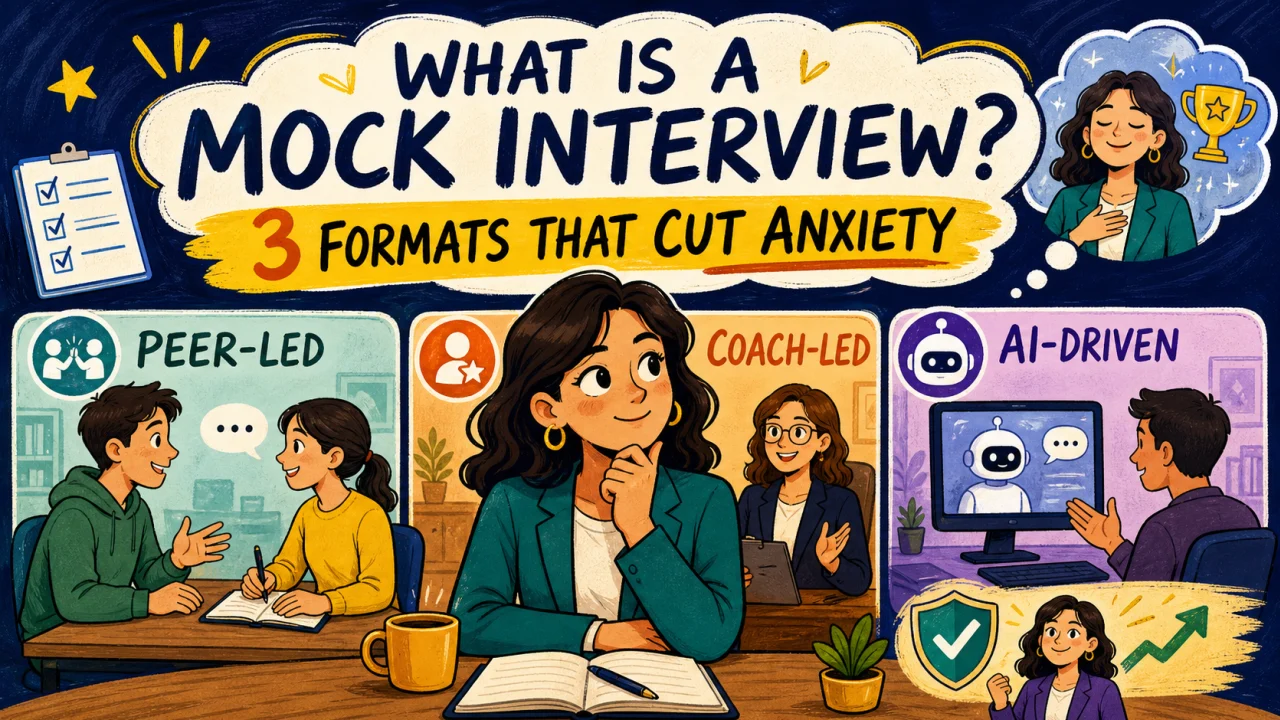
Choose Your 'Interviewer' Wisely: Peer, Mentor, or Professional Coach?
Who you practice with really matters!:
- Peers: Great for getting comfortable and practicing with someone who understands your role. Platforms like TryExponent connect you with peers for mock interviews.
- Mentors: Someone more experienced in your field can offer industry-specific insights.
- Professional Coaches: They're experts in interview techniques and can give you comprehensive, objective feedback. Websites like Prepfully allow you to schedule sessions with experts from target companies.
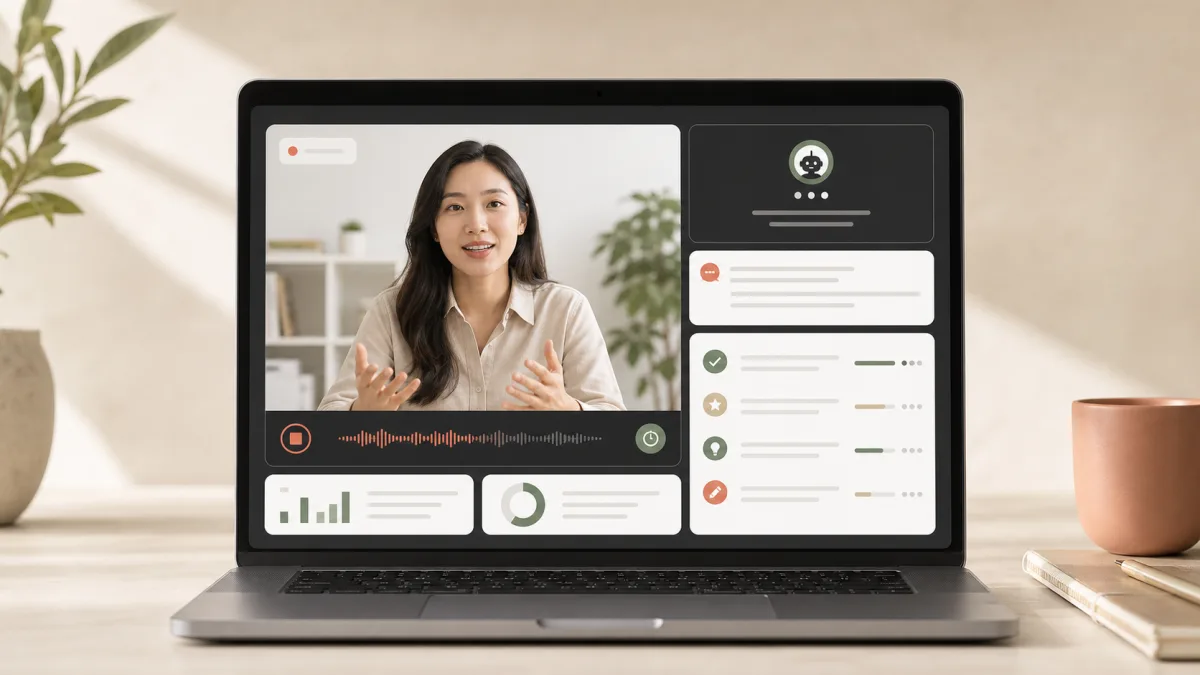
- AI Tools: For instance, AI Mock Interview (aimockinterview.app) offers realistic timed simulations, tailored question sets for jobs and admissions, and structured feedback on STAR, pacing, and filler words. Sessions save to My Interviews for progress tracking, it’s browser-based with no downloads, and free to start. This is an excellent option for flexible, consistent practice.
Simulate the Real Environment: Dress Code, Setting, Technology
Make your mock interview session as real as possible! If the actual interview is virtual, use the same video call platform, ensure your internet is stable, and check your camera and microphone. Dress the part, even if it's just from the waist up! Clear your background, minimize distractions, and treat it with the seriousness of the real thing. This helps you get comfortable with the whole setup.
Embrace the Feedback: It's a Gift, Not a Critique
Getting feedback can sometimes feel a bit uncomfortable, but remember, it's a gift! Your mock interviewer isn't trying to make you feel bad; they're trying to help you succeed. Listen actively, take notes, and ask clarifying questions. Even if it stings a little, see it as a chance to grow and improve. This positive mindset is key to making the most of your practice.
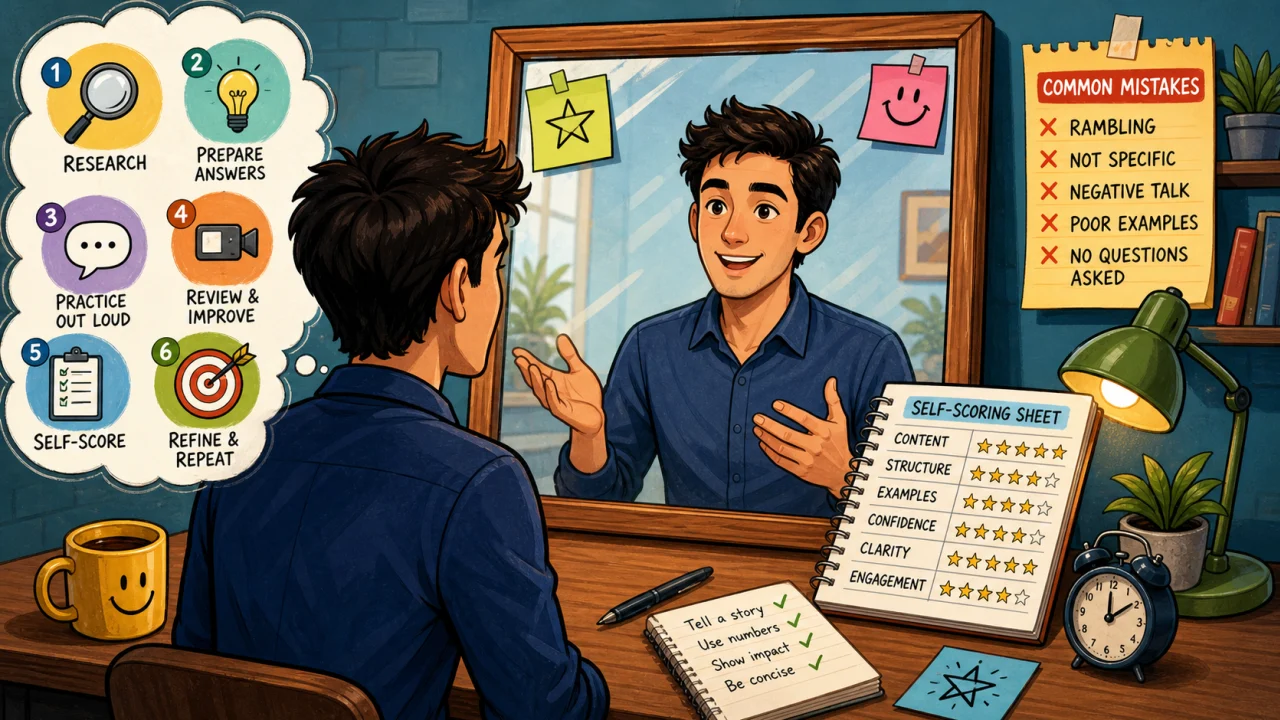
Record and Review: The Power of Self-Observation
Want to see yourself through the interviewer's eyes? Record your mock interview session! Watching yourself back can be incredibly insightful. You'll notice things you never would have otherwise – your body language, your vocal fillers, or even just how quickly you're speaking. It's a powerful way to identify those blind spots and track your progress over time. Many AI tools, including aimockinterview.app, offer this feature to help you review your performance.
Common Scenarios to Practice During Your Session
Having a plan for what to practice will make your mock interview session super effective. Here are some common scenarios you definitely want to run through:
The 'Tell Me About Yourself' Opener
This seemingly simple question is often the first, and it sets the tone for the entire interview. It's not your life story! Practice a concise, compelling 60-90 second elevator pitch that highlights your relevant experience, skills, and enthusiasm for this specific role and company. Make it engaging and forward-looking, not just a recap of your resume.
Behavioral Questions (e.g., 'Tell me about a time you failed.')
These are tricky because they require specific examples. Practice using the STAR method (Situation, Task, Action, Result) for questions like:
- "Tell me about a time you faced a difficult challenge and how you overcame it."
- "Describe a situation where you had to work with a difficult team member."
- "Give me an example of a time you demonstrated leadership."
Each answer should be a mini-story with a clear beginning, middle, and a positive, impactful ending.
Situational Questions (e.g., 'What would you do if...')
These questions test your problem-solving and critical thinking skills by putting you in hypothetical scenarios. For example:
- "What would you do if a client was unhappy with your work?"
- "How would you prioritize tasks if you had multiple urgent deadlines?"
Practice thinking out loud (but structured!) and explaining your reasoning process. There's often no single "right" answer, but demonstrating logical thought is key.
Technical/Case Study Walkthroughs (Role-Specific)
For many roles, especially in tech, finance, or consulting, you might face technical questions or a case study. Your mock interview session should include working through these scenarios. For a coding interview, you might explain your thought process while solving a problem. For a case study, practice analyzing the problem, proposing solutions, and explaining your recommendations clearly. Services like Pramp specifically help with coding mock interviews.
Salary Expectations and Closing Questions
Don't forget the end game! Practice discussing salary expectations (researching beforehand is crucial!) and asking smart closing questions that reinforce your interest and leave a lasting positive impression. These are often overlooked but can make a big difference. Remember, the interview isn't over until you walk out (or click off)!
Conclusion: Invest in Your Interview Success
The Mock Interview as a Catalyst for Your Dream Job
Think of the mock interview session not as an extra task, but as a powerful investment in yourself and your career future. It's the catalyst that transforms a good candidate into an outstanding one, allowing you to walk into any interview feeling prepared, confident, and ready to truly shine. It's the bridge between hoping for your dream job and actually landing it.
Don't Just Hope for the Best, Prepare for It
In today's competitive job market, simply hoping for the best isn't a strategy. Strategic preparation is. By incorporating regular mock interview sessions into your job search, you're not just preparing to answer questions; you're preparing to succeed. So, take that leap, embrace the practice, and unlock the door to your dream job. Your future self will thank you!
Frequently Asked Questions (FAQ)
How often should I do a mock interview?
It really depends on where you are in your job search! If you have a specific interview lined up, aim for at least 1-2 mock interview sessions a week before the actual date. If you're generally job searching, a session every 2-4 weeks can help keep your skills sharp. Regular practice, even short bursts, is more effective than cramming.
Who should I ask to conduct my mock interview?
You have options! For general practice, a trusted friend or mentor can be helpful. For more structured, objective feedback, consider a professional career coach or an online platform. Services like aimockinterview.app offer AI-powered mock interviews that provide instant, unbiased feedback anytime you need it, making it super convenient to get practice in. You can also connect with peers for practice on platforms like Pramp or TryExponent, or book experts on Prepfully.
Can a mock interview help with imposter syndrome?
Absolutely! Imposter syndrome often creeps in when we feel unprepared or doubt our abilities. A mock interview session helps by building concrete skills and confidence. Each successful practice run reinforces your capabilities, showing you that you are qualified and can articulate your value. This repetition is a powerful antidote to self-doubt.
Are mock interviews only for entry-level jobs?
Not at all! While incredibly beneficial for those starting out, mock interview sessions are valuable for all career levels, from entry-level to senior executive. The types of questions and feedback might change (e.g., focusing more on leadership for senior roles), but the core benefit of practice and refinement remains universal.
What's the ideal duration for a strategic mock interview session?
A good mock interview session typically lasts between 45 to 60 minutes. This allows enough time for a realistic interview simulation (30-40 minutes) followed by dedicated, in-depth feedback (15-20 minutes). Shorter sessions can be useful for quick warm-ups, but the longer format provides a more comprehensive and impactful experience.