Landing a dream job often hinges on a strong interview performance. But how do job seekers truly prepare for that pressure-filled moment? The answer, for many, lies in the mock interview. If you're a mentor, friend, or career advisor, understanding how to conduct a mock interview is a powerful skill. This comprehensive guide will equip you with the steps and strategies to help someone practice, refine, and excel in their real job interviews.
Learning how to conduct a mock interview means more than just asking questions. It involves creating a realistic simulation, providing constructive feedback, and building confidence. We'll break down the process, ensuring you can effectively guide your job seeker towards success.
Why Master the Art of Conducting a Mock Interview?
A mock interview is not just a rehearsal; it's a critical learning experience. Knowing how to conduct a mock interview properly offers immense benefits.
Beyond Practice: Real Benefits for Interviewees
- Reduces Anxiety: Familiarity with the interview structure calms nerves. They face unexpected questions in a safe space.
- Identifies Weaknesses: Interviewees discover areas where their answers are vague or incomplete. They pinpoint communication gaps.
- Refines Answers: Practice allows for polishing responses. They learn to articulate experiences clearly and concisely.
- Builds Confidence: Success in a mock setting boosts self-assurance. They walk into real interviews feeling ready.
- Improves Non-Verbal Communication: Interviewees become aware of their body language, eye contact, and posture.
The Power of Preparation for the Interviewer
As the person learning how to conduct a mock interview, your preparation directly impacts the session's value. You become a better coach. You learn to spot nuances. Your feedback becomes more targeted and effective.
Before You Begin: Laying the Groundwork to Conduct a Mock Interview
Effective preparation is the cornerstone of knowing how to conduct a mock interview. Don't skip these vital steps.
Understand the Role and Company
Before you even think about how to conduct a mock interview, gather critical information:
- Job Description (JD): Review it thoroughly. Understand the required skills, responsibilities, and qualifications.
- Company Culture: Research the company's values, mission, and recent news. This helps tailor questions and feedback.
- Interview Format: Is it behavioral, technical, situational? Will it be one-on-one, panel, or video?
Curate Relevant Interview Questions
Don't just pull generic questions. To effectively how to conduct a mock interview, make it specific.
- Behavioral Questions: Focus on past experiences (e.g., "Tell me about a time you faced a challenge.")
- Situational Questions: Present hypothetical scenarios (e.g., "What would you do if…?")
- Technical Questions: If applicable, pull questions relevant to the job's technical requirements.
- Company-Specific Questions: Ask about their knowledge of the company and their reasons for wanting to work there.
- "Why this company? Why this role?" Always include these core questions.
Set Clear Expectations
Before you how to conduct a mock interview, discuss the ground rules with the interviewee:
- Purpose: Explain that it's for practice and feedback, not judgment.
- Format: Describe how the session will run (e.g., 30 minutes of interview, 20 minutes of feedback).
- Your Role: Clarify that you'll be acting as a hiring manager. Emphasize your commitment to helping them improve.
Address Logistics and Environment
- Time and Date: Schedule a time when both of you are focused and uninterrupted.
- Location: Choose a quiet, professional setting. If remote, ensure good internet connection and lighting.
- Tools: Decide if you'll use a virtual meeting platform, record the session (with consent), or use a physical notepad.
During the Session: How to Conduct a Mock Interview Effectively
This is where you put your knowledge of how to conduct a mock interview into action. Make it count.
Create a Realistic Interview Environment
- Dress the Part: Encourage the interviewee to dress as they would for the real interview.
- Set the Scene: Begin with an introduction, just like a real interview. Maintain a professional demeanor throughout.
- Mimic Time Constraints: Stick to allocated times for questions and responses.
Listen Actively, Observe Carefully
Your job is twofold: ask questions and gather data. As you how to conduct a mock interview:
- Take Notes: Jot down key points, specific phrases, and areas for improvement. Note down strong answers too.
- Focus: Give the interviewee your full attention. Avoid distractions.
Challenge with Follow-Up Questions
Don't just move on after a rehearsed answer. This is crucial for how to conduct a mock interview at a high level.
- "Can you elaborate on that?"
- "What was the specific outcome?"
- "How would you have handled that differently, in hindsight?"
These push them beyond surface-level responses and reveal deeper understanding.
Observe Non-Verbal Cues
Beyond what is said, how it is said matters. When learning how to conduct a mock interview, pay attention to:
- Eye Contact: Is it consistent but not staring?
- Body Language: Are they open, engaged, or fidgeting?
- Tone of Voice: Is it confident, clear, or hesitant?
- Hand Gestures: Are they natural or distracting?
The Debrief: Providing Constructive Feedback After Your Mock Interview
The feedback session is arguably the most valuable part of knowing how to conduct a mock interview. It's where real growth happens.
Structure Your Feedback Thoughtfully
- Start Positive: Begin with 2-3 genuine strengths. Reinforce what they did well.
- Identify Areas for Improvement: Be specific. Instead of "Your answers were weak," say, "Your response to the 'challenge' question lacked a clear STAR (Situation, Task, Action, Result) structure."
- Offer Actionable Solutions: Don't just point out problems. Suggest how they can improve. "Try practicing your STAR answers using a template."
Focus on Both Content and Delivery
When you how to conduct a mock interview, your feedback should cover both aspects.
- Content: Were the answers relevant, complete, and insightful? Did they answer the question asked? Did they use specific examples?
- Delivery: Was their communication clear, confident, and engaging? Was their body language appropriate? Did they manage time well?
Revisit Tough Questions
Spend time going over questions where the interviewee struggled. Practice them again, applying the feedback immediately. This instant application solidifies the learning from how to conduct a mock interview.
Elevate Your Approach: Advanced Tips for How to Conduct a Mock Interview
Want to make your mock interview sessions even more impactful? These tips will help you how to conduct a mock interview at an expert level.
Record for Deeper Insights
With consent, record the mock interview. Watching themselves back can be incredibly insightful for interviewees. They often spot habits or expressions they were unaware of. This objective view is a powerful tool when you how to conduct a mock interview.
Explore AI-Powered Mock Interview Tools
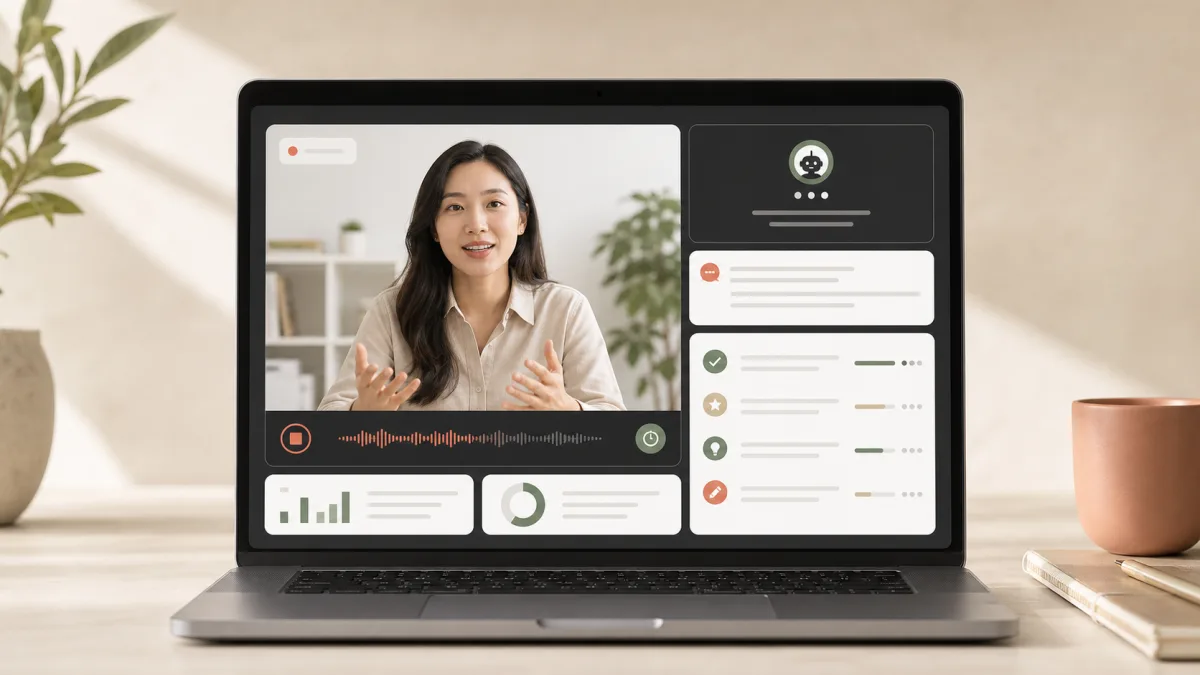
Modern technology offers incredible advantages. Consider leveraging AI-powered platforms. These tools provide instant, unbiased feedback on everything from speaking pace and filler words to eye contact and answer structure. They complement human coaching beautifully, making it easier to how to conduct a mock interview with cutting-edge support.
Simulate Different Interview Formats
Don't limit practice to just one format. If the real interview might be a panel or a group exercise, try to simulate those scenarios. Varying the format will broaden their preparation when you how to conduct a mock interview.
Frequently Asked Questions About How to Conduct a Mock Interview
Here are some common questions people have when learning how to conduct a mock interview:
Q: How long should a mock interview last? A: Typically, 30-60 minutes for the interview portion, followed by 15-30 minutes of feedback. Adjust based on the actual job interview's expected length.
Q: Should I interrupt the interviewee during their answers? A: Generally, no. Let them finish. Note down points for feedback. However, if they are rambling excessively, a gentle prompt to guide them back might be appropriate in the feedback session.
Q: What if I don't know the industry well? Can I still conduct a useful mock interview? A: Absolutely. Focus on universal interview skills: communication, problem-solving, behavioral responses, and confidence. You can still effectively how to conduct a mock interview even without deep industry knowledge.
Q: How do I handle an interviewee who gets defensive about feedback? A: Reiterate that the goal is improvement, not criticism. Frame feedback as observations and suggestions. Emphasize a growth mindset. Focus on the behavior, not the person.
Conclusion: Your Role in Empowering Success
Knowing how to conduct a mock interview is a significant gift you can give to a job seeker. It's an investment in their confidence, clarity, and overall preparedness. By following these steps, you provide a safe space for practice, invaluable insights, and actionable guidance.
Remember, your goal is to empower. Each mock interview you conduct brings them closer to acing the real thing. It hones their skills, sharpens their responses, and builds their self-belief. Start applying these principles to how to conduct a mock interview effectively, and watch your mentee thrive.
Start Practicing Today
Ready to put these strategies into practice? Explore how AI can enhance your mock interview sessions and provide even more targeted feedback. Visit aimockinterview.app to discover advanced tools that complement your human coaching efforts.