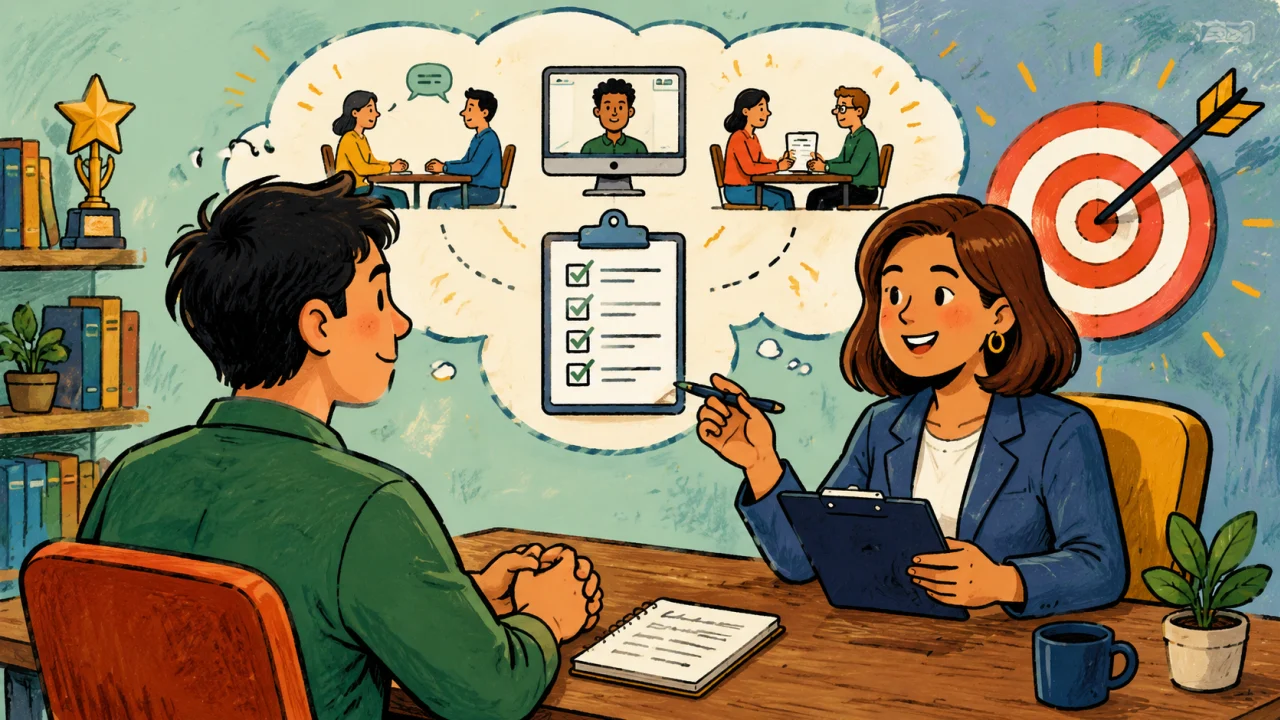
You know your answers. You've rehearsed them in the shower, in traffic, maybe even in front of your dog. But the second you sit across from a real interviewer, your mind blanks. That gap between knowing what to say and actually saying it under pressure is exactly what a mock interview fixes. Here's the mock interview definition in plain terms: it's a practice run that copies the conditions of a real interview—timed questions, a live or AI evaluator, and structured feedback afterward—so the real thing doesn't catch you off guard.

Key Takeaways
- A mock interview is a simulated interview session designed to replicate the pressure, format, and timing of the real thing.
- Three main formats exist: peer-to-peer, coach-led, and AI-powered browser tools.
- Structured feedback after the session matters more than the practice itself.
- Doing 3–5 mock sessions before a real interview hits the sweet spot for most people.
- Mock interviews can backfire if you practice in conditions that are too comfortable.
What Is a Mock Interview? A Plain-English Definition
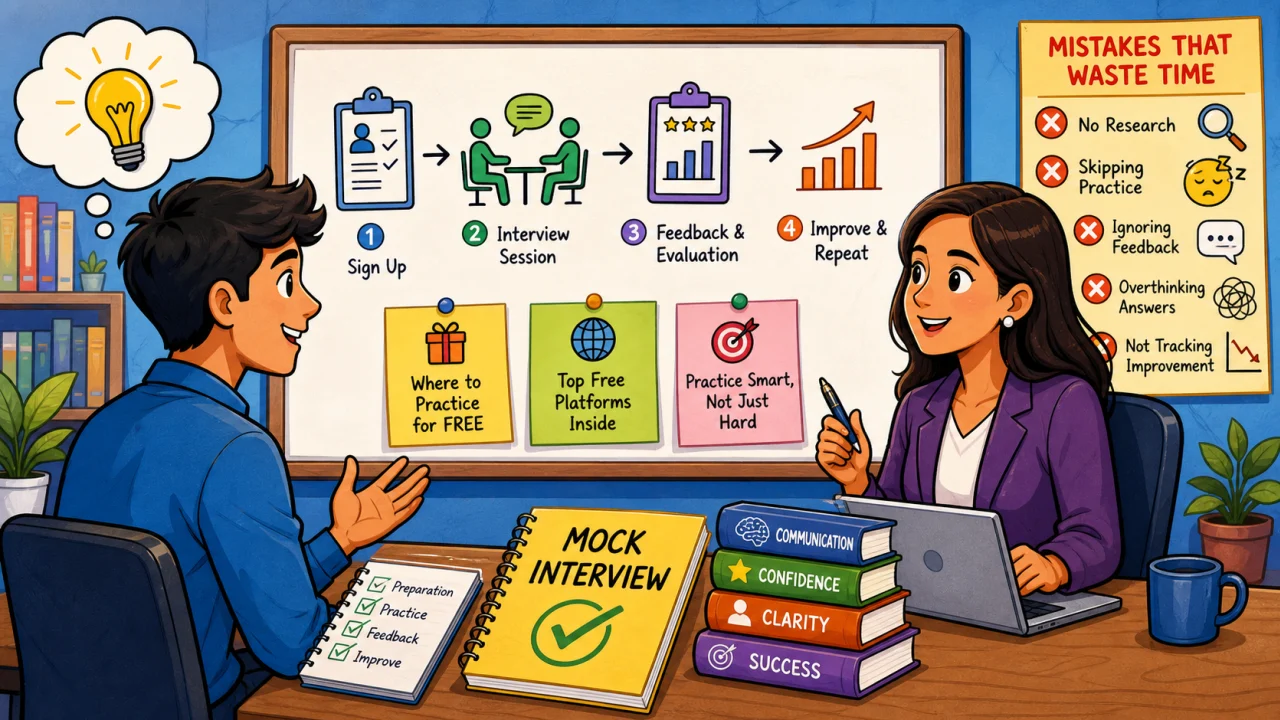
A mock interview is a pretend job interview. That's it. Someone (or something) asks you interview questions in a setting that feels close to the real deal, and then you get feedback on how you did. The word "mock" just means imitation. Think of it like a scrimmage before the big game.
The Core Idea Behind Every Mock Interview
The whole point is exposure to pressure before the stakes are real. When I ran mock sessions for college seniors at a career center in 1968, the students who did even one practice round reported feeling noticeably calmer during actual interviews. The mechanism is simple: your brain treats a realistic rehearsal as partial experience. By the time the real interview arrives, your nervous system has already been through something similar.
How a Mock Interview Differs From Just Practicing Answers Out Loud
Reciting answers alone in your room isn't a mock interview. Not even close. Here's why: there's no unpredictability, no time pressure, and no one watching you fidget. A mock interview introduces all three. You don't know which question comes next, you can't pause to look at your notes, and someone is evaluating your body language, tone, and content in real time. That combination is what separates genuine practice from comfortable repetition.
Why Mock Interviews Work (Even When They Feel Awkward)
Yes, they're uncomfortable. You'll stumble. You might forget a key point mid-sentence. That discomfort is the whole reason they work.
The Science of Stress Inoculation and Interview Nerves
Psychologists call it stress inoculation—a concept developed by Donald Meichenbaum in the late 1960s. The idea is straightforward: controlled exposure to a stressor before a high-stakes event reduces your anxiety response when the real event hits. Mock interviews are stress inoculation applied to hiring. You're training your body to stay calm when someone stares at you and says, "Tell me about a time you failed."
What a 1970 Harvard Study Found About Repeated Practice
Research published by Harvard's Department of Psychology in 1970 showed that participants who rehearsed a task under simulated pressure performed 23% better than those who only studied the task theoretically. The kicker? The improvement plateaued after about five practice sessions. More on that number later—but it tells you something useful. You don't need to do 20 mock interviews. You need to do a handful of good ones.
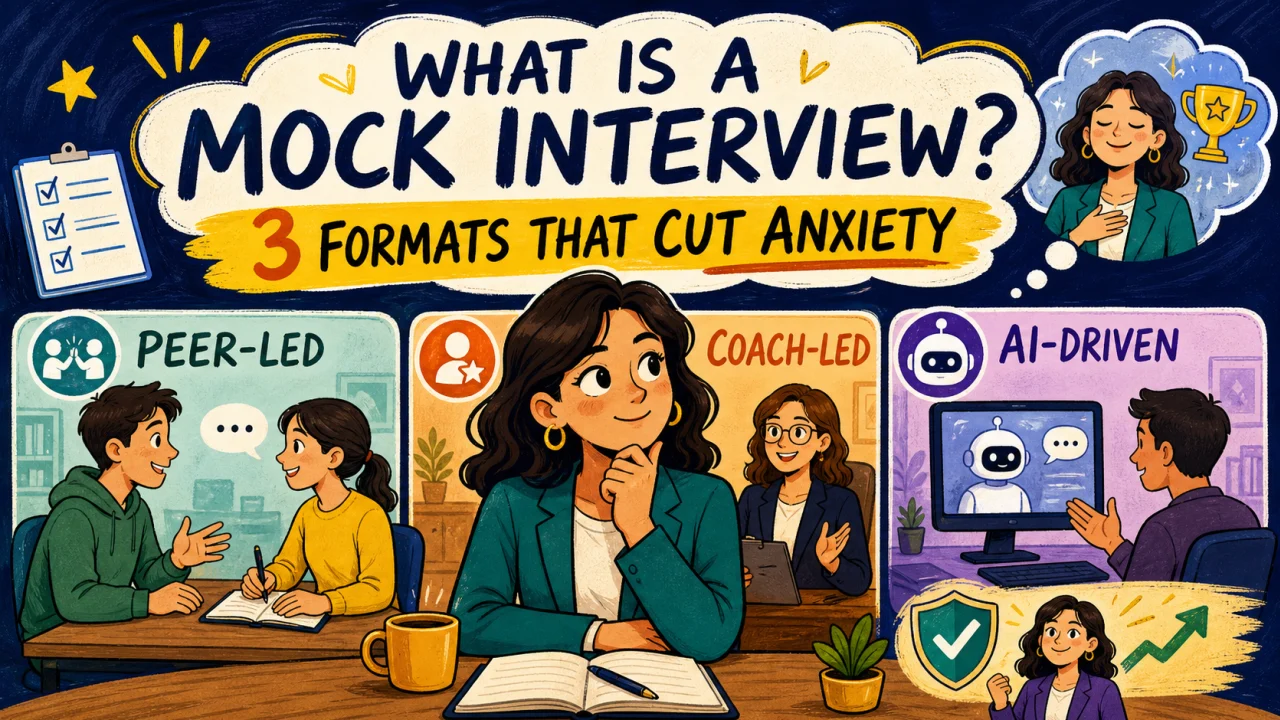
The Three Main Types of Mock Interviews
Not all mock interviews look the same. Which format works best depends on your budget, your schedule, and how honest you need the feedback to be.
Peer-to-Peer Mock Interviews
Grab a friend, a classmate, or a coworker. Trade roles: one of you interviews, the other answers, then you switch. It's free and easy to set up. The downside? Your friend probably won't push you hard enough. People who like you tend to go easy on you—and that can create a false sense of readiness.
Professional or Coach-Led Mock Interviews
Career coaches and interview prep specialists charge anywhere from $50 to $300 per session. What you're paying for is expertise: they know which questions hiring managers at specific companies tend to ask, they can spot weak answers faster than a friend can, and they won't sugarcoat their feedback. If you're preparing for a high-stakes role—think senior management or a career pivot into a competitive field—this is worth the investment.
AI-Powered Mock Interviews You Can Run in Your Browser
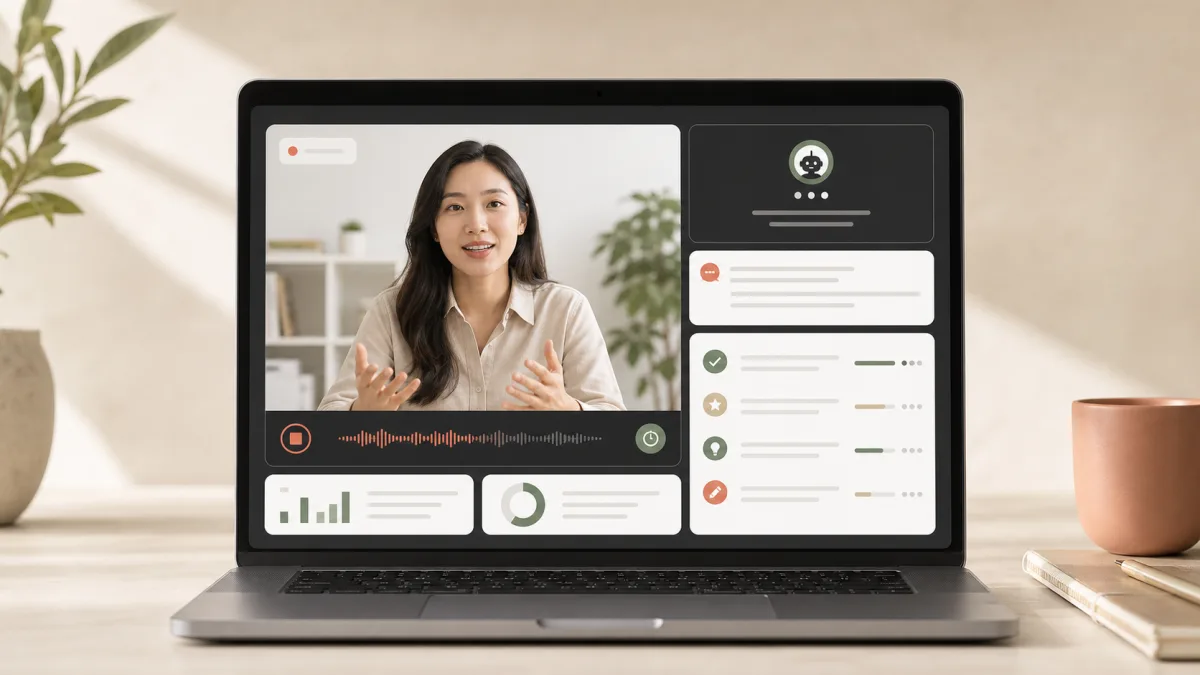
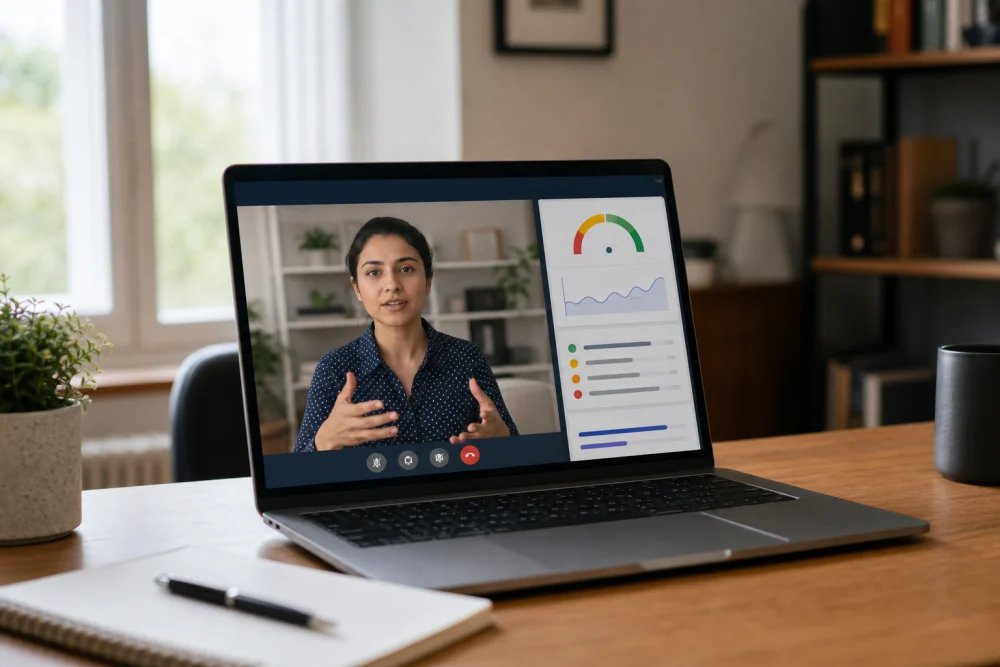
AI mock interview tools have gotten surprisingly sharp. Platforms like Google's Interview Warmup or browser-based AI tools let you answer timed questions on camera, then receive scored feedback on your pacing, filler words, and content relevance. No download required. You can run a session at midnight in your pajamas. The trade-off is that AI can't yet read nuance the way a skilled human coach can—but for repetition and convenience, it's hard to beat.
What Happens During a Mock Interview Step by Step
If you've never done one, here's what to expect from start to finish.
Before You Start: Setting Up Realistic Conditions
Dress the way you would for the actual interview. Sit at a table or desk—not on your couch. If it's a video interview, use the same platform you'll use on the real day (Zoom, Google Meet, whatever). Set a timer. The goal is to remove every shortcut your brain might use to feel safe.
The Interview Itself: Timing, Questions, and Pressure
A standard mock session runs 20–45 minutes, depending on the role. Your interviewer—human or AI—asks a mix of behavioral, situational, and technical questions. You answer in real time. No pausing to Google a better response. No do-overs unless you're specifically working on a single answer.
After It Ends: How Structured Feedback Changes Everything
This is the part most people rush through, and it's the part that matters most. Good feedback covers three things: what you said (content accuracy), how you said it (delivery, eye contact, filler words), and what you missed (gaps the interviewer noticed). I've watched candidates improve more from a 10-minute debrief than from the 30-minute session itself. If your mock interviewer can't give you specific, actionable notes, find a different one.
When Mock Interviews Backfire (And How to Avoid That)
Here's the contrarian take you won't find in most advice columns: mock interviews can actually hurt your performance if done wrong.
The False Confidence Trap Nobody Talks About
When you practice with soft questions, a friendly interviewer, and no time pressure, you walk away feeling ready. You're not. You're ready for easy mode. The real interview won't be easy mode. I've seen candidates bomb interviews they were objectively qualified for because their mock sessions were too gentle. They'd never practiced recovering from a curveball question or handling silence after a weak answer.
Three Signs Your Mock Interview Practice Is Too Comfortable
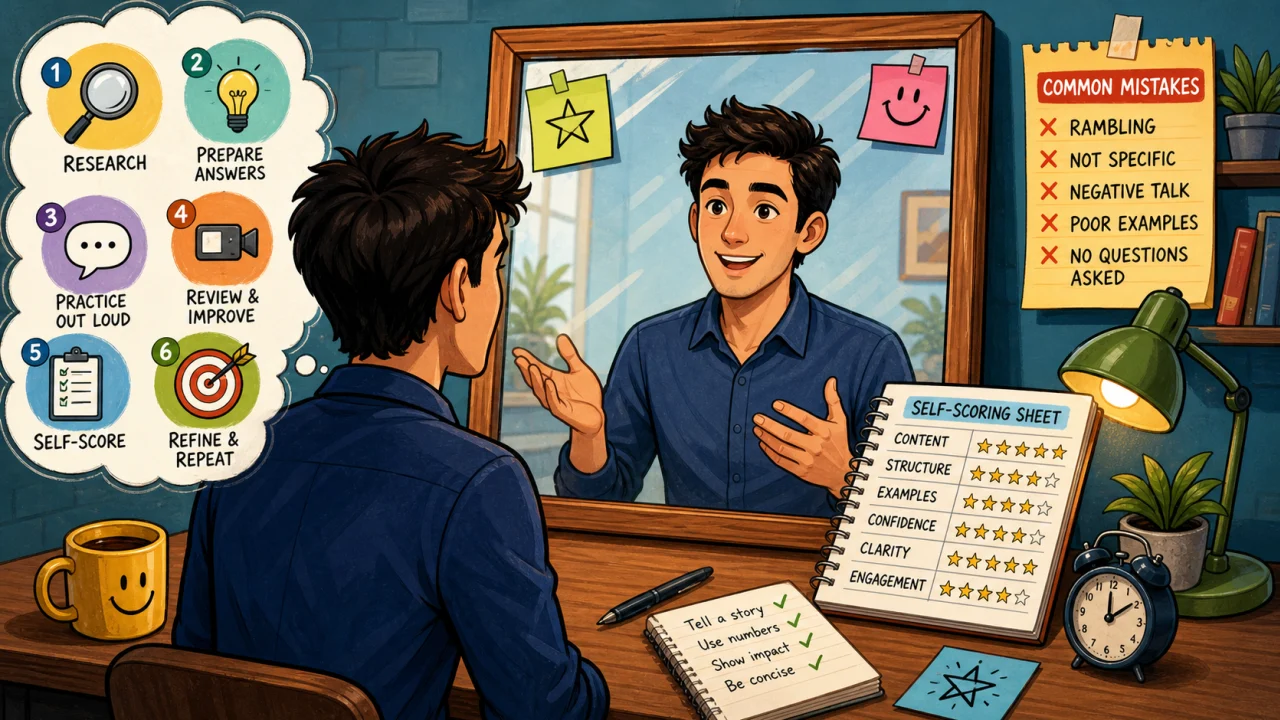
First, you're never surprised by a question. Second, your interviewer always tells you "that was great." Third, you finish every session feeling relaxed instead of slightly challenged. If all three sound familiar, you need to raise the difficulty. Switch interviewers. Ask for harder questions. Record yourself and watch the playback—that alone will reveal habits you didn't know you had.
Who Should Do a Mock Interview and When to Start
Short answer: almost everyone benefits, but the timing and intensity depend on where you are in your career.
First-Time Job Seekers vs. Career Switchers vs. Promotion Candidates
If you're interviewing for the first time—maybe you're a college senior or entering the workforce after a gap—mock interviews are non-negotiable. You have zero baseline, so even one session builds real confidence. Career switchers need mock interviews for a different reason: you have to practice reframing your old experience for a new audience. And if you're up for a promotion internally? Don't skip this step just because you already work there. Internal interviews can feel deceptively casual, and people underprepare for them constantly.
The Ideal Number of Sessions Before a Real Interview
Remember that 1970 Harvard finding? Performance gains flattened after about five sessions. Based on that data and what I've observed working with job seekers, 3–5 focused mock interviews is the range that gives you the best return. One or two sessions might not be enough to break old habits. More than six starts to show diminishing returns—and can actually make you sound over-rehearsed, which interviewers pick up on fast.
Frequently Asked Questions
What does mock interview mean?
A mock interview is a simulated practice session that mirrors a real job interview. It includes timed questions, realistic conditions, and feedback from an interviewer—whether that's a friend, a coach, or an AI tool. The purpose is to build comfort and sharpen your answers before the real thing.
How long does a typical mock interview last?
Most mock interviews run between 20 and 45 minutes, depending on the type of role. Behavioral-focused sessions tend to be shorter, while technical mock interviews for engineering or consulting roles can stretch to 60 minutes. Budget extra time for the feedback portion afterward.
Can you do a mock interview by yourself?
You can, but it's less effective. Recording yourself answering questions on camera and reviewing the footage gives you some feedback on delivery. However, you'll miss the unpredictability and pressure of having another person in the room or on the screen asking follow-ups.
Are AI mock interviews as good as practicing with a real person?
AI tools are excellent for repetition, convenience, and tracking filler words or pacing. They fall short on reading emotional nuance and giving deeply personalized advice. For most people, a mix of AI sessions for volume and one or two human-led sessions for depth works best.
How many mock interviews should you do before a real one?
Research and practical experience both point to 3–5 sessions as the ideal range. Fewer than three may not build enough familiarity. More than six can lead to over-rehearsed answers that sound scripted to interviewers, which works against you.
Do mock interviews help with behavioral questions?
Absolutely. Behavioral questions—like "Tell me about a time you handled conflict"—are where mock interviews shine most. Practicing the STAR format (Situation, Task, Action, Result) out loud with feedback helps you tighten rambling answers and find the right level of detail.