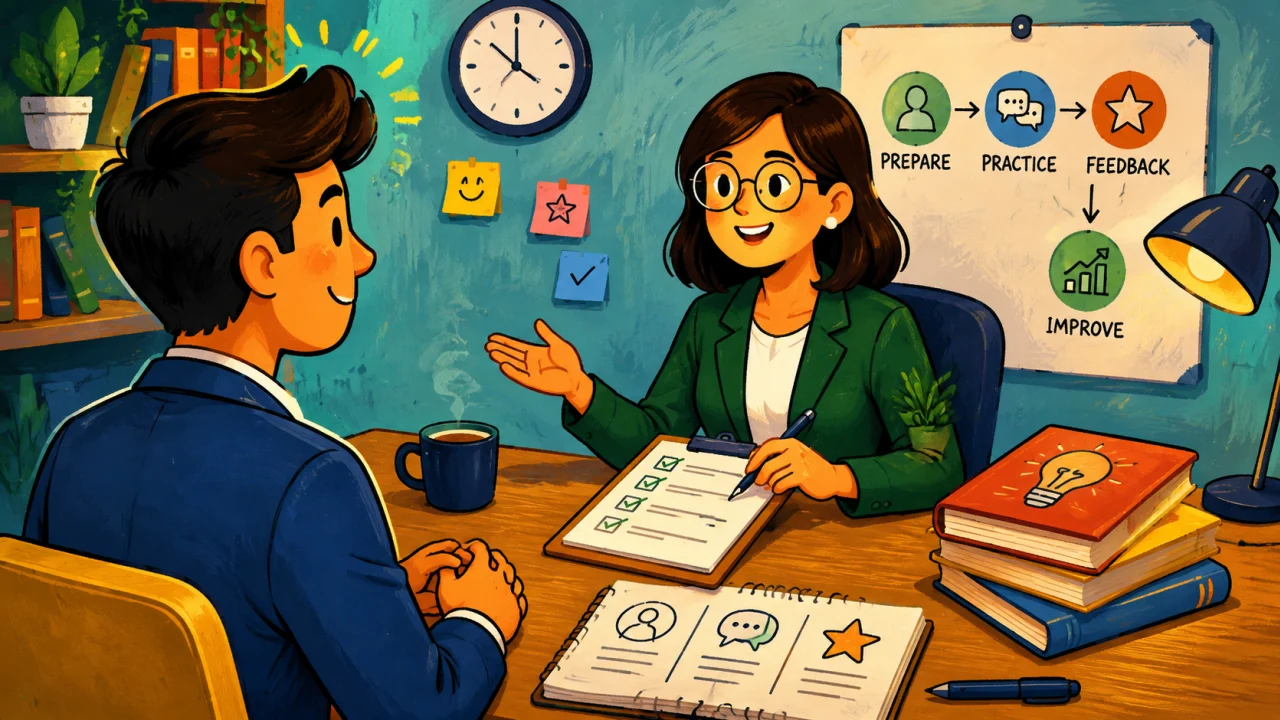
You've got a big interview in five days and your stomach already hurts thinking about it. The fix isn't to rehearse answers in your head while you shower — it's to define mock interview as a real practice format and then actually do one the right way. A single well-structured mock session can expose blind spots that weeks of mental rehearsal never will.
What Exactly Is a Mock Interview?
The Simple Definition in One Sentence
A mock interview is a practice run that copies the conditions of a real interview — set questions, a time limit, and someone (or something) giving you feedback at the end. That's it. No grade, no stakes, just a dress rehearsal before the real thing.
How a Mock Interview Differs From Just Practicing Answers Out Loud
Talking to your bathroom mirror doesn't count. When you rehearse alone, you control the pace, skip questions you don't like, and never feel the pressure of someone watching you think. A mock interview removes that safety net. Another person — or an AI tool — asks you questions you haven't pre-selected, watches your body language, and holds you to a clock. The discomfort is the point.
Key Takeaways
- A mock interview recreates real interview pressure so you can practice responding under realistic conditions, not just memorize answers.
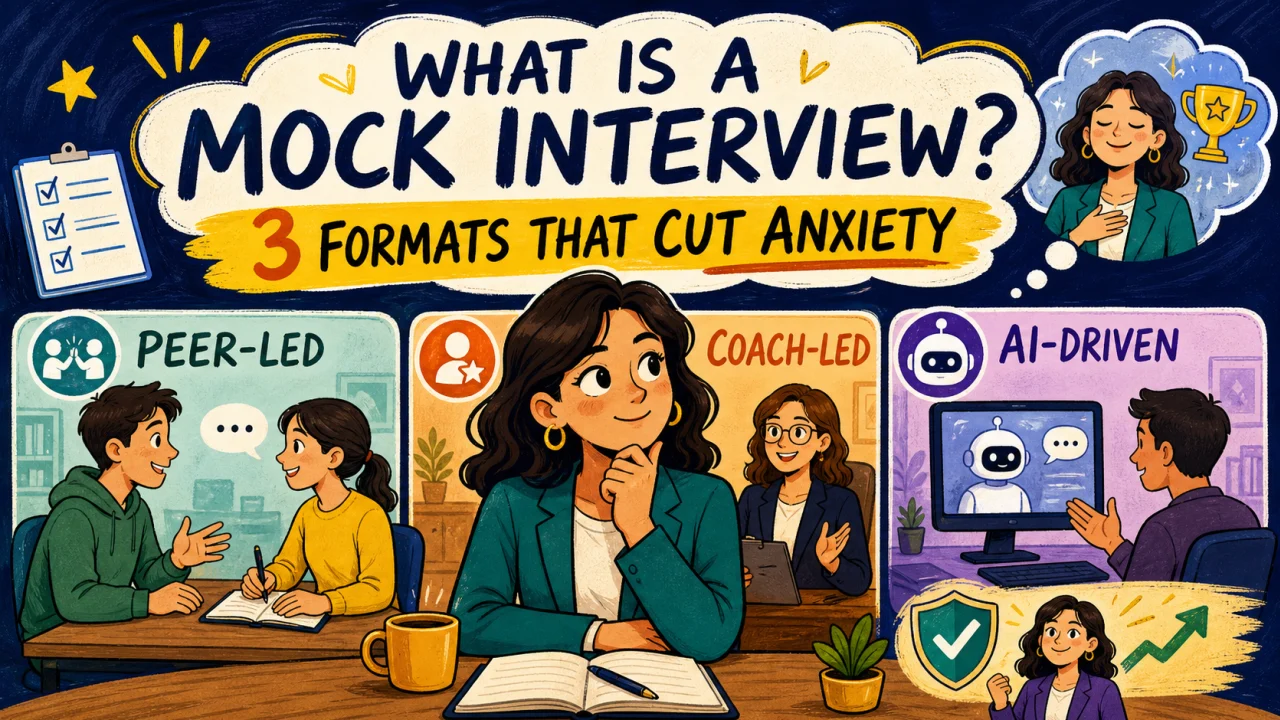
- Three main formats exist: peer-led, coach-led, and AI-powered browser tools. Each fits a different budget and stage of preparation.
- Feedback quality matters more than the number of sessions. Vague praise like "you did great" won't fix anything.
- Most people waste their mock interviews by scripting answers, dodging hard questions, or stopping after one round.
- Track specific metrics — filler-word count, answer length, and eye contact — to know whether practice is actually helping.
Why Mock Interviews Actually Work
You Build Muscle Memory for Pressure
Your brain treats a real interview like a mild threat. Heart rate climbs, thoughts scatter, and that perfectly worded answer you rehearsed vanishes. Mock interviews train your nervous system to handle that spike. Research from the University of Chicago's Human Performance Lab showed that simulated pressure practice reduced anxiety-driven errors by roughly 22% compared to low-pressure rehearsal. You can't think your way out of nerves. You have to practice through them.
You Catch Habits You Can't See on Your Own
I once recorded a candidate who said "like" releasing 47 times in a 20-minute mock session. She had zero idea until we played it back. Filler words, fidgeting, trailing off at the end of answers — these habits hide in plain sight when no one's watching. A mock interview with honest feedback drags them into the open so you can fix them before they cost you an offer.
How a Mock Interview Works Step by Step
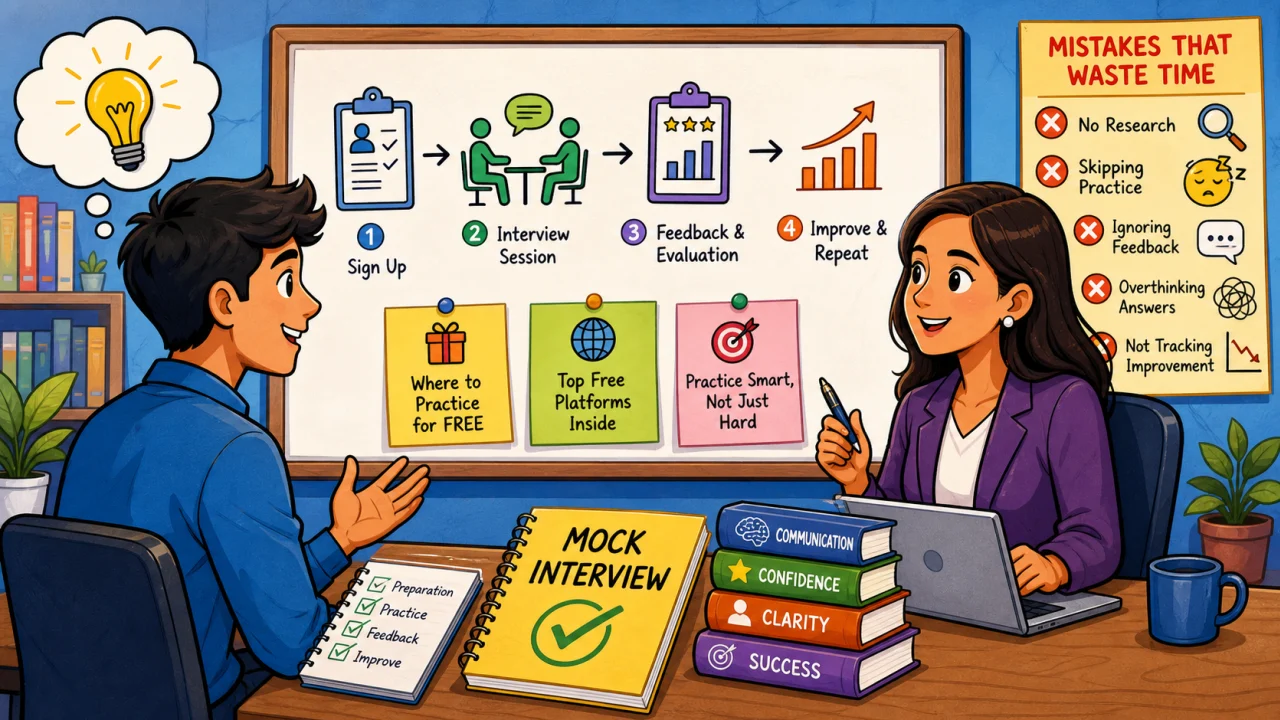
Step 1 — Pick Your Format (Peer, Coach, or AI Tool)
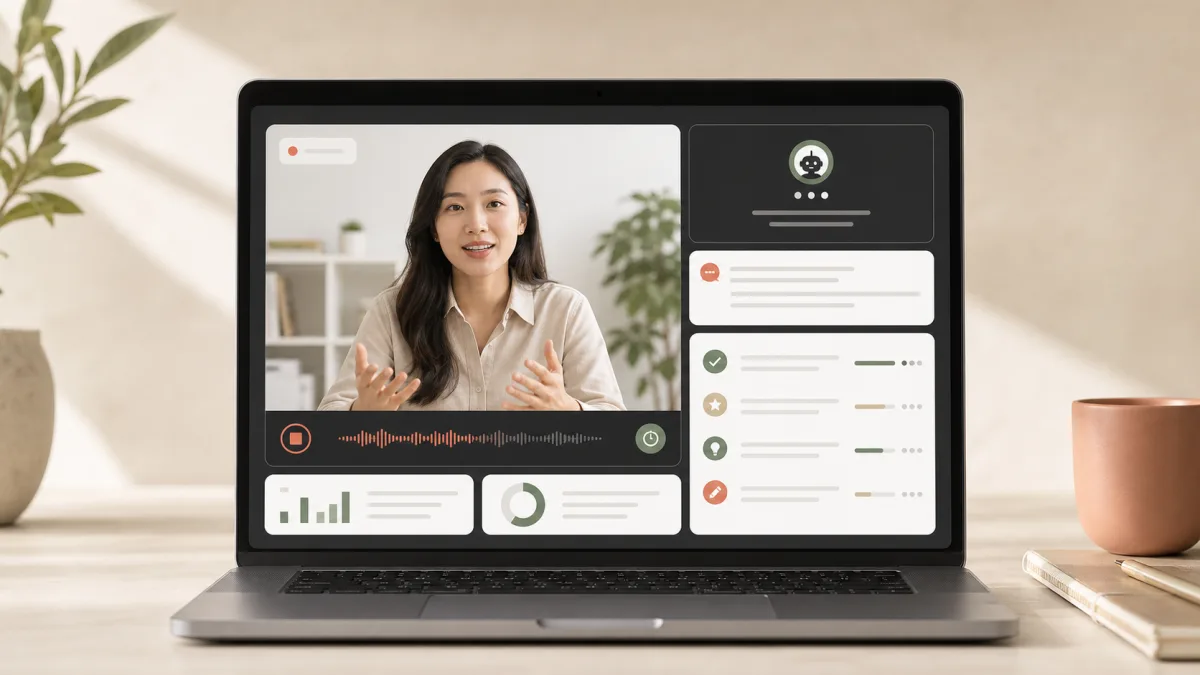
Decide who's going to sit across from you. A friend or classmate costs nothing. A career coach runs between $75 and $250 per hour depending on experience. Browser-based AI mock interview platforms let you practice anytime without scheduling anyone — some even generate questions tailored to specific job postings. Pick based on your budget and how far out your interview is.
Step 2 — Set Up Realistic Conditions
Dress the way you'd dress for the real thing. Sit in a quiet room. Close every tab except the one you need. If it's a video interview, use the same platform — Zoom, Google Meet, whatever the company sent you. The closer your mock mirrors reality, the more useful it becomes.
Step 3 — Run the Session With a Timer
Set a hard stop. Most first-round interviews last 30 minutes; final rounds can stretch to 45 or 60. Don't let your mock session drag past that window. Time pressure forces you to tighten answers and cut rambling, which is exactly what a hiring manager wants.
Step 4 — Get Structured Feedback, Not Just Thumbs Up
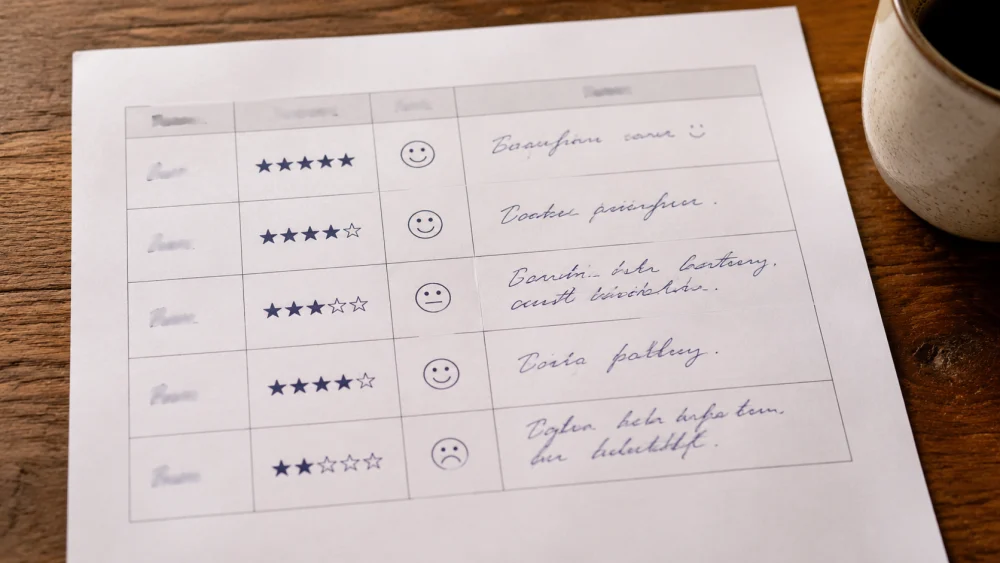
"You did fine" helps no one. Ask your mock interviewer to rate you on three to five specific areas: clarity of answers, relevance to the question asked, body language, filler words, and closing strength. Written notes beat verbal impressions because you can review them later and track changes across sessions.

3 Types of Mock Interviews and When to Use Each
Peer Mock Interview With a Friend or Classmate
Best for early-stage prep when you just need reps. Grab someone who'll take it seriously — not someone who'll laugh through it. Swap roles so both of you benefit. The downside? Friends tend to go easy on you.
Professional Mock Interview With a Career Coach
Worth it when the stakes are high — think final-round interviews at competitive firms or career pivots where you're unfamiliar with industry-specific questions. A good coach will push back on weak answers and ask follow-ups that mimic tough interviewers. In 1970, career counseling centers at universities across the U.S. began formalizing mock interview programs for graduating seniors, and that coached format remains the gold standard for structured feedback.
AI Mock Interview Using a Browser-Based Tool
The newest option and, honestly, the most underrated for solo practice. Tools like Google's Interview Warmup or various AI-powered platforms generate role-specific questions, record your responses, and flag issues like answer length or missing keywords. You don't need to download anything — just open a browser. They won't replace human intuition, but they're available at 2 a.m. when no coach is.
The Feedback Problem Nobody Talks About
Why Most Mock Interview Feedback Is Too Vague to Help
Here's the contrarian take most prep advice won't give you: doing a mock interview with bad feedback is worse than doing none at all. Why? Because vague praise ("great energy!") builds false confidence. You walk into the real interview thinking you're ready when you haven't actually fixed anything. I've seen candidates do four or five mock sessions and show zero improvement because every session ended with polite encouragement instead of honest critique.
What a Useful Feedback Sheet Actually Looks Like
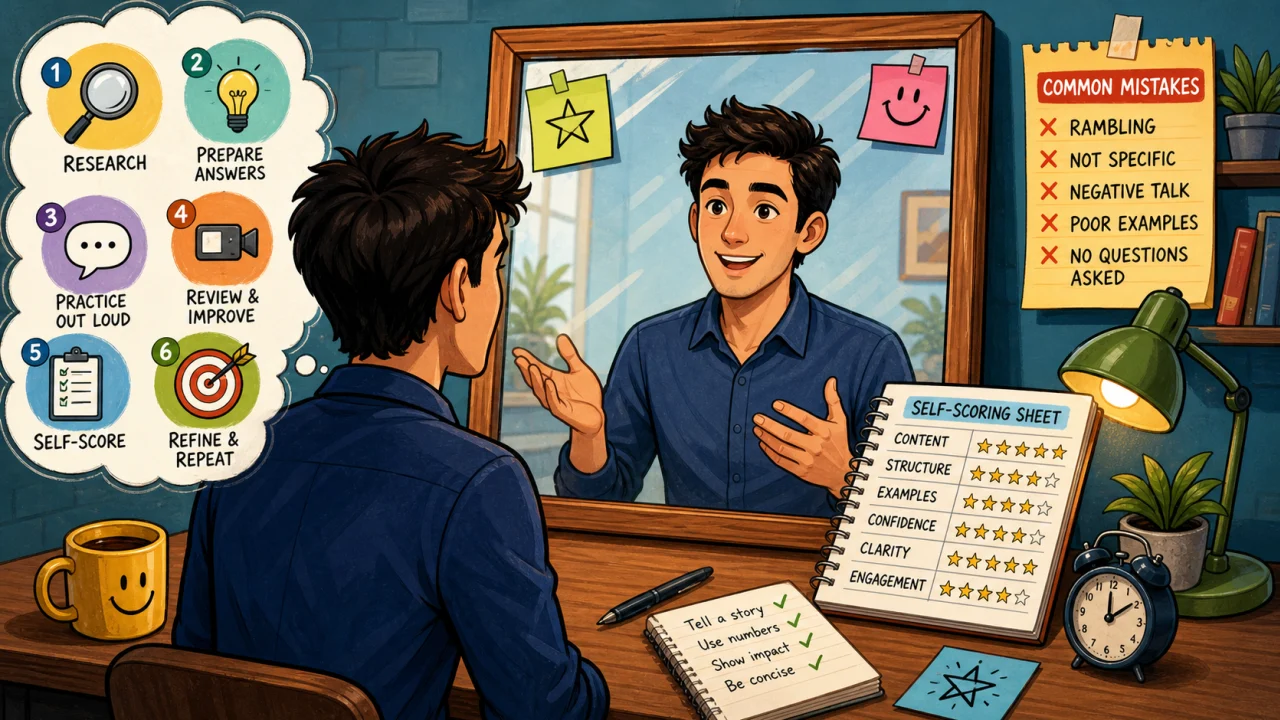
A good feedback sheet has five rows maximum. Each row covers one skill — say, "answer structure" — with a 1-to-5 rating and a specific note. Not "work on structure" but "your answer to the leadership question buried the result at the end; lead with the outcome next time." Specific, actionable, tied to a moment. That's the kind of feedback that sticks.
Mistakes That Make Your Mock Interview a Waste of Time
Reading Your Answers Off a Script
If you're glancing at notes during your mock, you're practicing reading, not interviewing. Bullet points are fine for prep beforehand. During the session, put them away. The goal is to think on your feet, not perform a monologue.
Skipping the Awkward Questions
"Tell me about a time you failed" and "why did you leave your last job" are uncomfortable. That's exactly why you need to practice them. If your mock interviewer only asks softballs, you're rehearsing for an interview that doesn't exist.
Doing Only One Session and Calling It Done
One mock interview gives you a snapshot. Two or three give you a trend. You need at least three sessions to see whether your filler words are dropping, your answers are tightening, and your nerves are calming. Spacing them two to three days apart works well — close enough to build momentum, far enough apart to absorb feedback.
How to Tell If Your Mock Interview Is Actually Helping
Track These 3 Things After Every Session
First, count your filler words — "um," "like," "you know." Second, time your longest answer; if it's over 90 seconds, you're probably rambling. Third, ask your mock interviewer whether your answers actually addressed the question asked, because going off-topic is the single most common interview mistake that candidates don't notice themselves.
When to Change Your Approach
If your filler-word count hasn't dropped after three sessions, switch formats. Move from a peer to a coach, or try an AI tool that gives instant analytics. Sticking with the same setup despite flat results is just procrastination disguised as preparation. Have the honesty to admit when something isn't working and try a different angle.
FAQ
How many mock interviews should you do before a real one?
Three to five sessions spread over one to two weeks hits the sweet spot for most people. Fewer than three won't reveal patterns in your performance. More than six risks over-rehearsing, which can make your answers sound robotic during the actual interview.
Can you do a mock interview by yourself?
Yes, but with limits. Record yourself answering questions on camera, then watch the playback to catch filler words and body language issues. You'll miss the pressure of a live questioner, though, so pair solo sessions with at least one session involving another person.
Are AI mock interview tools as good as practicing with a real person?
They're better for some things and worse for others. AI tools excel at tracking answer length, flagging filler words, and generating role-specific questions on demand. They can't read nuance in your tone or push back with spontaneous follow-ups the way a skilled human interviewer can.
What questions are usually asked in a mock interview?
Mock interviews typically pull from common behavioral and situational categories: "tell me about yourself," conflict resolution, leadership examples, failure stories, and role-specific technical questions. The best sessions also include curveball questions you haven't prepared for.
Is a mock interview the same as a practice interview?
The terms overlap, but a true mock interview copies real conditions — timed, structured, with formal feedback. A practice interview is looser and might just mean running through questions casually. The structure and feedback component are what make a mock interview genuinely useful.