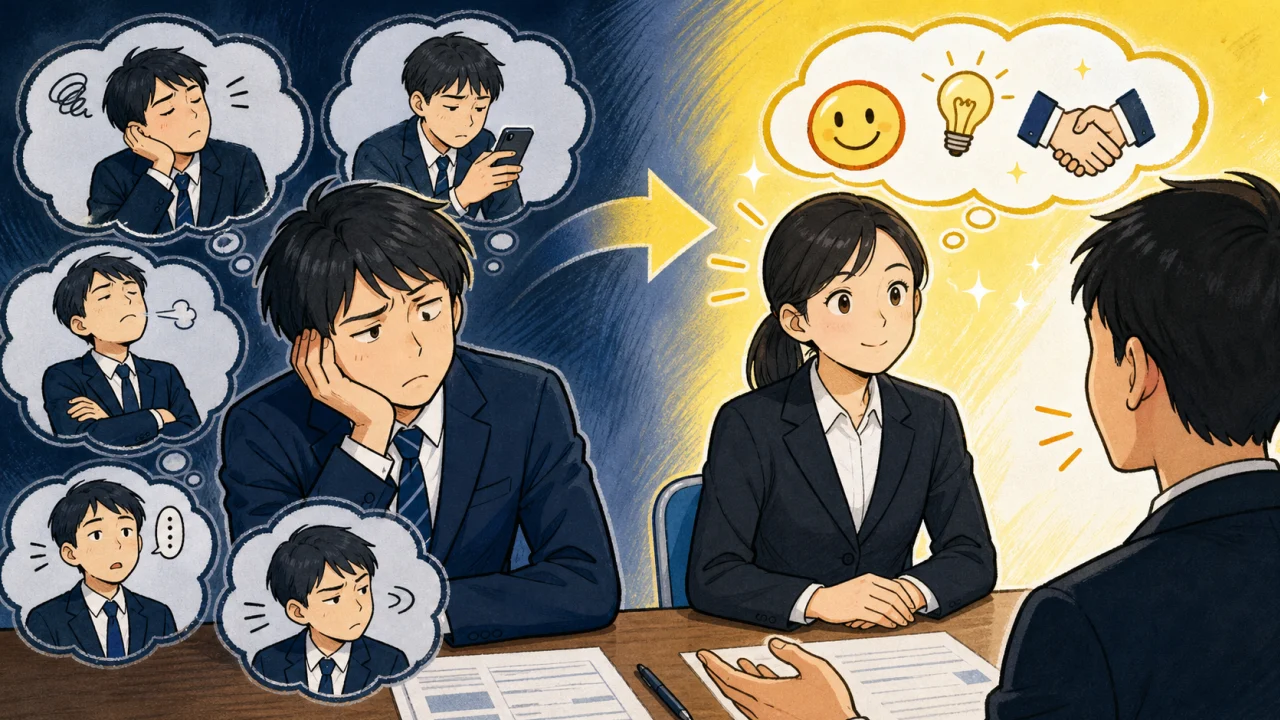
You've prepped your answers, ironed your shirt, and then stood in front of the mirror with no idea what to do with your hair. Your job interview hairstyles matter because hiring managers form a visual impression within the first 7 seconds of meeting you, according to a widely cited Princeton study on snap judgments. The right hairstyle won't get you the job on its own, but the wrong one can distract from everything you say.

A job interview hairstyle is any hair look chosen specifically to project professionalism, confidence, and self-awareness during a hiring meeting. It balances personal style with the expectations of a given industry or role.
Key Takeaways
- Your hairstyle should match the formality of the industry, not just look "nice."
- Prep the night before. Morning-of scrambling leads to bad decisions.
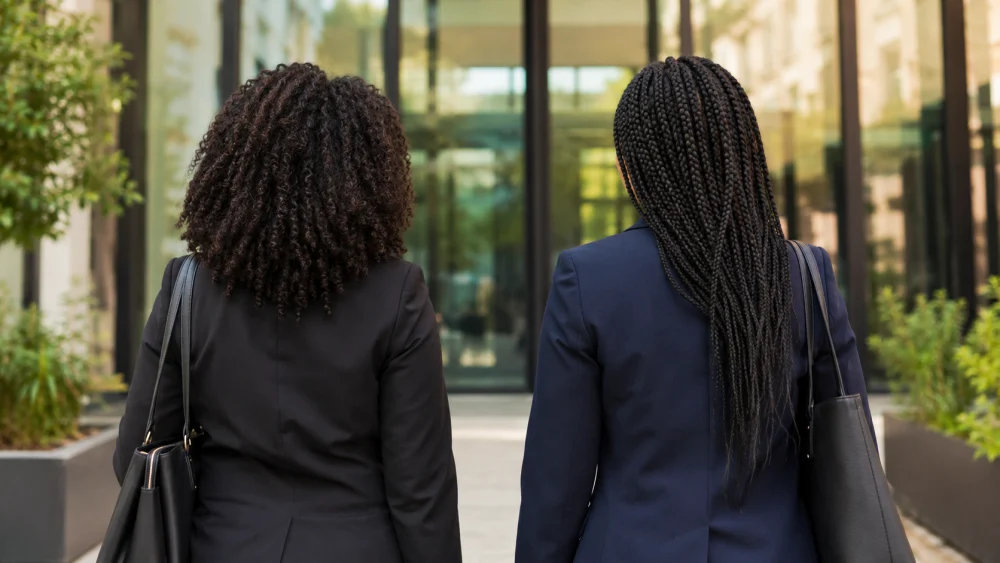
- Natural hair, curls, and braids are professional choices—full stop.
- Spend no more than 15 to 20 minutes on interview hair. If it takes longer, you've picked the wrong style.
- Confidence matters more than perfection. A style you've worn before beats a Pinterest look you've never tried.
How to Choose the Right Hairstyle for Your Interview
Picking a hairstyle isn't about finding the single "most professional" option. It's about matching three things: your hair, the job, and your comfort level. Get those right and you won't think about your hair once during the actual conversation.
Match Your Style to the Industry
A finance interview at Goldman Sachs and a design interview at a Brooklyn startup expect very different things. Banking, law, and corporate consulting still lean toward sleek, pulled-back looks. Creative fields—advertising, media, fashion—give you far more room. Tech sits somewhere in the middle, where clean and intentional beats formal every time.
Here's a quick rule I've used when advising friends before interviews: look at the company's team page. If everyone's wearing blazers, go polished. If the CEO's headshot looks like it was taken at a coffee shop, relax a little.
Consider Your Hair Type and Texture
Not every style works for every person, and that's fine. Thin, straight hair holds a low bun differently than thick, coily hair does. The best approach is to start with what your hair does naturally and then refine it. Fighting your texture on interview morning is a recipe for frustration and frizz.
If you have curly or textured hair, don't feel pressured to straighten it. The 1970 push behind CROWN Act legislation across multiple U.S. states reinforced what should have been obvious: natural hair is professional hair.
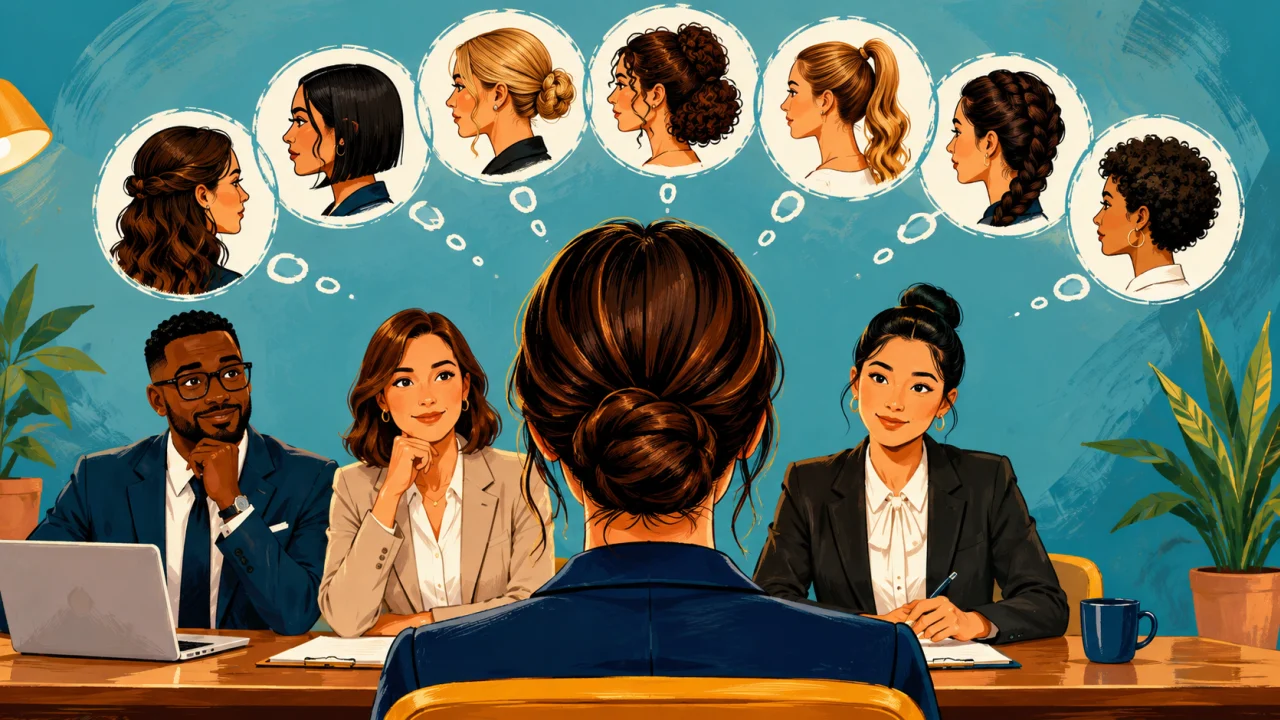
7 Job Interview Hairstyles Hiring Managers Actually Notice
Each of these takes under 20 minutes. I've listed them from most classic to most expressive so you can slide along the scale based on your industry.
1. The Low Bun That Works for Almost Everyone
Pull your hair back at the nape of your neck. Secure it with a neutral elastic and tuck any loose ends with two bobby pins. That's it. This style works for straight hair, wavy hair, and longer curly hair. It reads as put-together without looking like you tried too hard.
The trick is keeping it slightly loose rather than ballet-tight. You want "composed professional," not "headache by noon."
2. A Clean Side Part With Tucked Ends
If your hair falls between your chin and shoulders, a deep side part with the ends tucked behind one ear looks sharp. Use a small amount of smoothing cream—about a dime-sized drop—to keep flyaways down. This works especially well for video interviews where only your face and upper shoulders are visible.
3. The Sleek Ponytail (Without the Gym Look)
A ponytail can absolutely work for an interview, but placement matters. Mid-height at the back of your head hits the sweet spot. Too high feels casual. Too low blends into the low bun territory. Wrap a small section of hair around the elastic to hide it, and you've got a style that looks deliberate.
One thing that separates an interview ponytail from an errand-running ponytail: smooth the hair at your temples. That single step changes the whole impression.
4. Natural Curls, Shaped and Defined
If you have curly or coily hair, wear it. Defined curls with a bit of curl cream or gel look fantastic and show confidence. The key is definition—not volume control, not straightening, just making sure your curls have shape rather than looking like you rolled out of bed.
I spoke with a recruiter at a mid-size tech firm in Austin who said she actively notices when candidates wear their natural texture well. Her exact words: "It tells me they're comfortable in their own skin, and that's a quality we hire for."
5. A Short Crop With a Fresh Trim
Short hair has a built-in advantage: it almost always looks intentional. But timing matters. Get a trim 3 to 5 days before the interview, not the day before. You want the cut to settle. A fresh-that-morning cut can look too sharp or leave you with razor bumps along your neckline.
If you use product, go matte. Shiny pomade on short hair under fluorescent office lighting can look greasy fast.
6. Half-Up Half-Down for Medium-Length Hair
This one splits the difference between wearing your hair down and pulling it back. Take the top section—roughly everything above your ears—and pin or clip it at the back of your head. Leave the rest down. It frames your face, keeps hair out of your eyes, and still shows some personality.
A small claw clip in tortoiseshell or matte black works if it's clean and simple. Skip anything sparkly or oversized.
7. Braided Styles That Show Personality
Box braids, cornrows, two-strand twists, or a single side braid can all work beautifully for an interview. Braided styles are neat by nature and require zero last-minute fussing—which is a genuine advantage when your nerves are already running high.
The non-obvious takeaway here? Braids often outperform loose styles in interviews because they don't move. You never have to push hair out of your face, tuck it behind your ear, or worry about wind between the parking lot and the lobby. That stillness reads as poise.
What to Avoid: 3 Hairstyle Mistakes That Hurt First Impressions
Overdoing Products Until Your Hair Looks Wet
A little product is fine. But if your hair looks wet or crunchy, the interviewer will notice—and not in a good way. Stick to one product, applied sparingly. If you can see light reflecting off your hair from across the room, you've used too much.
Choosing a Style You Have Never Worn Before
Interview day is not the time to experiment. If you've never done a French twist, don't attempt your first one at 7:45 a.m. before a 9 a.m. interview. Wear something you've done at least twice before. Familiarity keeps your hands steady and your stress low.
Ignoring Your Hair the Night Before
Wash it. Dry it. Lay out your pins, elastics, and products. Do a practice run if you want. The candidates who show up looking most polished aren't the ones who spent the most time that morning—they're the ones who removed every decision from their morning routine the night before.
How Long Should You Spend on Interview Hair (Honest Answer)
Fifteen minutes. Twenty at the outside. If your hairstyle takes 40 minutes and three YouTube tutorials, it's going to look stiff and over-styled. The goal is "I put thought into this" not "I spent my whole morning on this." Hiring managers can tell the difference, and ironically, the simpler styles tend to photograph and present better on camera too.
A good benchmark: if you could redo the style after a windy walk from your car to the building, it's the right level of complexity.
Does Your Hairstyle Change How Confident You Feel in an Interview
Yes. Genuinely, measurably yes. A 1970 study published in the Journal of Applied Social Psychology found that people who felt satisfied with their appearance performed better in evaluative social situations. Your hair is the one thing you look at right before you walk through the door. If it looks good to you, you carry yourself differently.
This is why the advice to "just pick something professional" misses the point. Professional and confident aren't the same thing. Pick a style that makes you feel like the best version of yourself—within the bounds of what the industry expects—and you'll speak more clearly, sit up straighter, and shake hands like you mean it.
FAQ
What hairstyle is most professional for a job interview?
A low bun or sleek ponytail works across most industries. The key is choosing something neat, intentional, and appropriate for the company's culture. There's no single "most professional" style—what matters is that your hair looks cared for and doesn't distract during conversation.
Should you wear your hair up or down for an interview?
Either works. Up styles like buns and ponytails keep hair out of your face, which helps with eye contact. Down styles work if your hair is shoulder-length or shorter and stays in place. Choose based on what feels natural and what your hair actually does well.
Can you wear natural hair to a job interview?
Absolutely. Natural curls, coils, locs, and twists are professional. Multiple U.S. states have passed CROWN Act laws that specifically protect natural hairstyles from workplace discrimination. Wear your texture with confidence and focus your energy on your answers instead.
Do hiring managers really care about hairstyles?
They notice grooming more than specific styles. A hiring manager likely won't judge whether you chose a bun or a braid, but they will register whether you look put-together. Think of your hairstyle as part of the overall impression, not a standalone factor that makes or breaks the interview.
What hair accessories are okay for a job interview?
Simple, neutral-toned accessories work best. A small claw clip, plain bobby pins, or a thin headband in black, brown, or tortoiseshell all look polished. Avoid large bows, bright neon clips, or anything that draws more attention than your face does.